


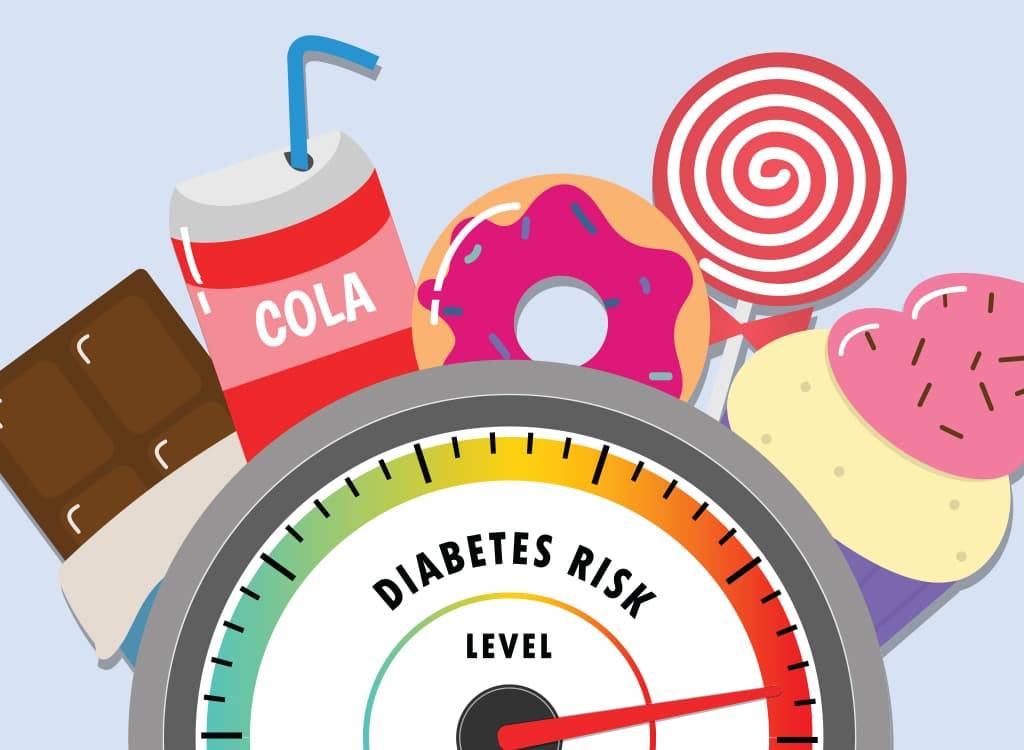
 Diabetes, a chronic metabolic disorder affecting millions worldwide, is characterized by elevated blood sugar levels that, if left unmanaged, can wreak havoc on the body. While many are aware of the common complications associated with diabetes, such as heart disease and kidney problems, there are several other hidden dangers that make this condition a silent threat to individuals' overall health and well-being. In this article, we will delve into the lesser-known dangers of diabetes, shedding light on the importance of early detection, effective management, and lifestyle modifications to mitigate its potentially devastating consequences.
1. Diabetic Retinopathy: One of the most significant dangers of diabetes is the risk of developing diabetic retinopathy. This condition affects the eyes and can lead to severe vision loss and blindness if left untreated. Persistently high blood sugar levels damage the blood vessels in the retina, the light-sensitive tissue at the back of the eye. Regular eye examinations and strict control of blood sugar levels are vital to detect and manage this complicatio
2. Diabetic Neuropathy: Diabetic neuropathy refers to nerve damage caused by long-term exposure to high blood sugar levels. It commonly affects the feet and legs but can also affect other parts of the body. Symptoms may include numbness, tingling, or pain in the affected areas. Left uncontrolled, diabetic neuropathy can lead to foot ulcers, infections, and, in severe cases, amputation. Maintaining stable blood sugar levels and adopting proper foot care practices are essential to prevent or delay the onset of this complication.
3. Cardiovascular Disease:
4. Kidney Disease:
Diabetic nephropathy, or kidney disease, is a common and serious complication of diabetes. Over time, high blood sugar levels can damage the delicate blood vessels in the kidneys, impairing their ability to filter waste products effectively. This can lead to the accumulation of toxins and fluids in the body, resulting in kidney failure. Regular monitoring of kidney function, maintaining optimal blood sugar levels, and managing blood pressure are essential to prevent or delay the progression of diabetic kidney disease.