


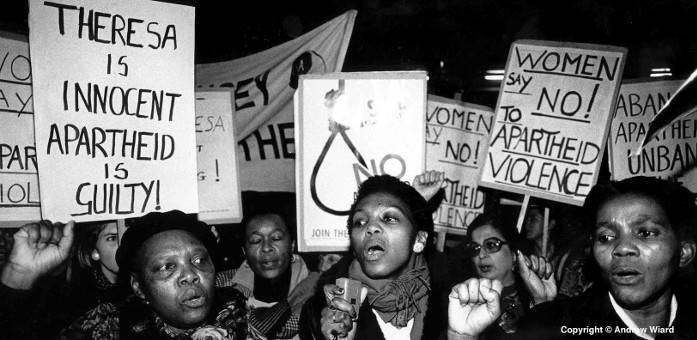
 Ghana, a country known for its rich cultural heritage and progress in women's empowerment, is currently grappling with a distressing issue: the surge in women's rights abuse. Despite significant strides made towards gender equality, the recent upsurge in reported cases of violence and discrimination against women raises serious concerns. This article sheds light on the factors contributing to the rise of women's rights abuse in Ghana and emphasizes the urgent need for concerted action to address this pressing issue
1.
- Cultural Factors and Patriarchy:
Deep-rooted cultural beliefs and traditional norms often perpetuate gender inequality in Ghana. Despite legal protections and efforts to promote gender equality, traditional practices such as early and forced marriages, female genital mutilation, and widowhood rites continue to subject women to various forms of abuse. Patriarchal structures, where power is predominantly held by men, further exacerbate the problem by restricting women's access to education, economic opportunities, and decision-making roles.
- Violence Against Women:
- Economic Disempowerment:
- Political Participation and Representation:
- Legal Framework and Implementation:
2.
Violence against women remains a critical concern in Ghana. Domestic violence, sexual assault, and rape are prevalent, and cases often go unreported due to societal stigma, fear, and lack of trust in the justice system. The underreporting of such incidents hampers the identification and prosecution of perpetrators, perpetuating a cycle of abuse. Efforts to raise awareness, improve reporting mechanisms, and strengthen law enforcement responses are crucial in combating this issue
3.
Limited economic opportunities significantly impact women's rights and contribute to their vulnerability. Gender gaps in access to employment, income, and property ownership hinder women's financial independence and expose them to economic exploitation and abuse. Lack of access to credit facilities and business support further hampers women's entrepreneurial ventures. Empowering women economically through targeted policies, vocational training, and affirmative action can break the cycle of abuse and foster their socio-economic development
4.
Despite constitutional provisions for gender equality and affirmative action, women's representation in political leadership positions remains low in Ghana. This underrepresentation deprives women of a voice in decision-making processes and limits their ability to shape policies and legislation that address their specific needs. Encouraging women's political participation, ensuring equal opportunities for candidacy, and fostering supportive environments are vital to overcoming this systemic barrier
Ghana has made significant efforts to enact legislation aimed at protecting women's rights, such as the Domestic Violence Act and the Human Trafficking Act. However, challenges persist in the effective implementation and enforcement of these laws. Insufficient resources, inadequate training of law enforcement officials, and corruption hinder the justice system's ability to address women's rights abuses. Strengthening legal mechanisms and ensuring their effective implementation are crucial for providing justice to victims and deterring potential abusers.
The rise of women's rights abuse in Ghana is a grave concern that requires immediate attention and action. Combating the issue demands a multi-faceted approach, encompassing cultural transformation, legal reforms, economic empowerment, and increased political participation. Collaboration between the government, civil society organizations, and the international community is essential to create an environment that respects and protects women's rights. By addressing the underlying causes and providing support and justice to victims, Ghana can take significant strides towards achieving gender equality and ensuring a safer and more inclusive society for all its citizens.