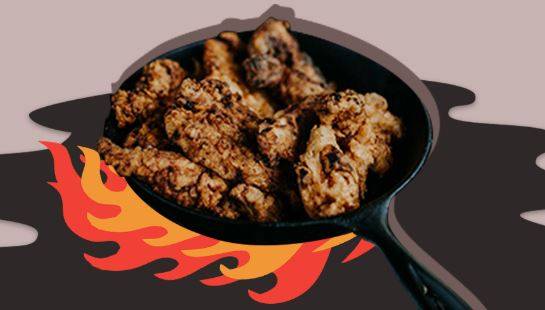
It's not always easy to estimate how much food you'll consume when cooking. Especially if you're cooking for a large group. You will undoubtedly have leftovers the next day if you think having too much food is preferable to not having enough.
Therefore, if you intend to store them, keep them in the refrigerator to prevent bacteria growth that could become dangerous to your health. But hold on, have you ever questioned whether the food you are reheating is still edible? Well, given that they frequently lose their nutritional content when reheated, several of the foods we eat daily might not be as safe.
And as long as you know which items you should never reheat, that isn't necessarily a negative thing.
SEAFOOD
Fresh seafood tastes better than frozen seafood. But given that this preservation method is more tightly regulated by food safety organizations, purchasing it frozen may be safer.
But what should you do if you prepare a gourmet meal, like a seafood paella, and there is too much to eat? Once more, as soon as it has slightly cooled off, place it in the refrigerator. You can safely reheat dinner the following day if you store it in the refrigerator as soon as it has cooled down a bit.
RICE

The same applies to rice, another common dinner component. You can safely reheat dinner the following day if you store it in the refrigerator as soon as it cools down a bit. If you don't and leave it out on the counter for too long, Bacillus cereus bacteria may grow.
SPINACH
Even the most delicious foods can turn toxic if prepared improperly. Raw spinach is tasty and nourishing. But when softly melted in oil in a pan, it creates a lovely side dish or even a beautiful sauce.
You shouldn't heat it again after the first time. Use any leftovers in a salad or simply consume them cold. Nitrates are abundant in spinach, and when they are heated to a high temperature, they can transform into nitrosamines, most of which are carcinogenic. Eat fried eggs right away, but if they've been kept for a while, don't reheat them.
EGGS

We all know that eggs are a delicious source of protein, but repeatedly heating fried or boiled eggs can be dangerous. Eat fried eggs right away, but if they've been kept for a while, don't reheat them; instead, eat them cold because high-protein foods contain nitrogen. Reheating could cause this nitrogen to oxidise, which causes cancer.
BEETROOT
Beet-containing cooked meals also fall under the category of foods that shouldn't be heated again. As with spinach, the narrative is the same.
You run the risk of receiving a dose of toxins instead of all the wonderful advantages of this vegetable in its raw or lightly cooked form. This is if you put leftover beetroot stew or curry in the oven, microwave or hob.
MUSHROOM
White and brown button mushrooms, for example, may be okay to eat raw, but most other mushrooms should absolutely be cooked. The next day, you should not microwave them. Unless you put it in the fridge quickly after cooking.
Mushroom proteins can be harmed by enzymes and bacteria that grow at room temperature if not stored appropriately. An unpleasant stomach may result from this.
CHICKEN
You already know how delicious hot chicken is, but if you preserve the curry for the next day, remember not to reheat it constantly. The protein makeup of this staple is completely altered once it is heated from the refrigerator. The digestive system may experience issues as a result. Be careful not to heat it too hot.
POTATOES
Have you ever noticed how terrible leftover cooked potatoes taste? Maybe you haven't since the flavour would blend in if you fried them again in a skillet or heated them with other dishes. But if you give it a shot, I'm confident you'll never want leftover potatoes again.
Long-term room temperature storage of cooked potatoes can grow Clostridium botulinum bacteria. Eating food contaminated with this bacteria can have very serious implications.