


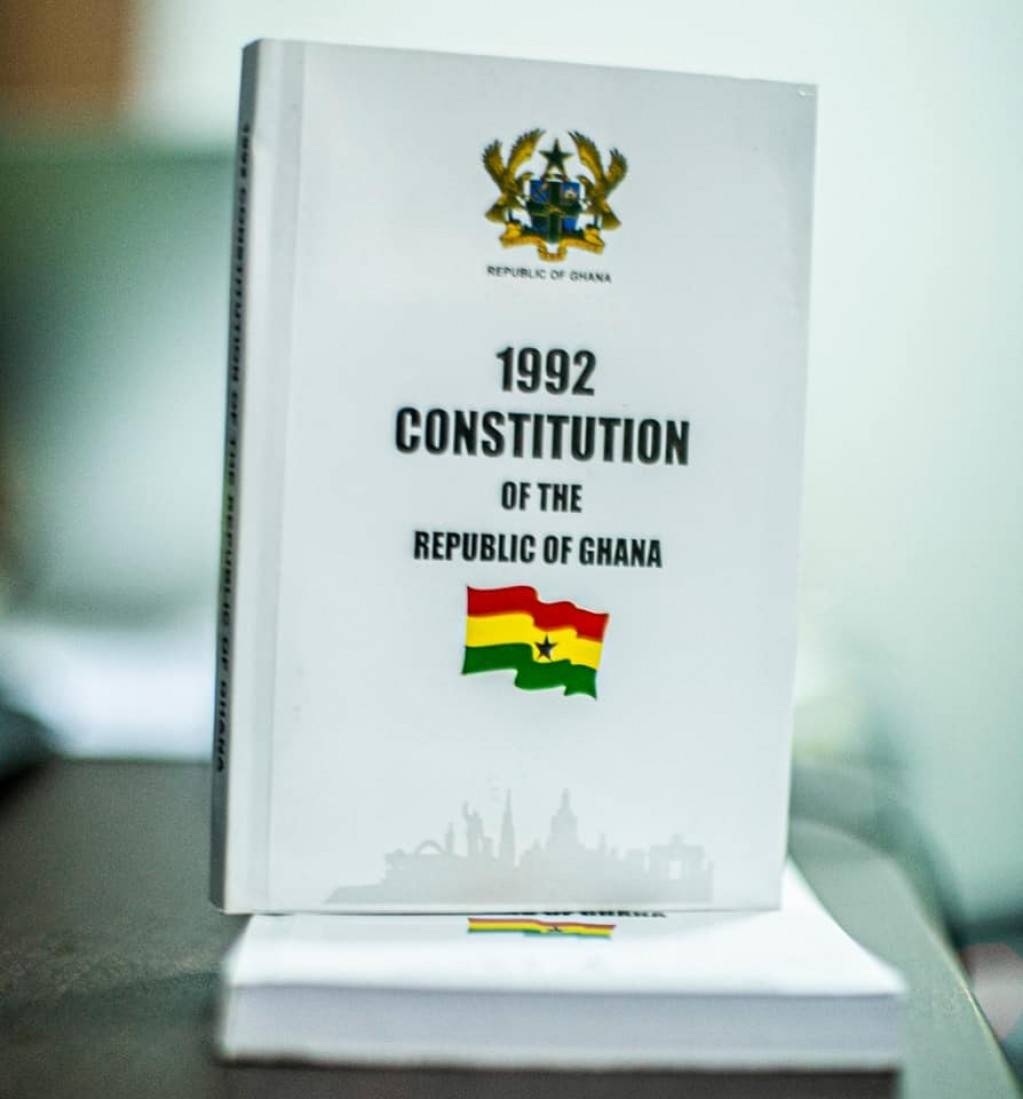
The Constitution of a nation represents the fundamental principles and framework upon which a country operates. In the case of Ghana, its Constitution serves as the supreme law, embodying the rights, responsibilities, and governance structures of the nation. Developed through wide consultations and adopted on April 28, 1992, the Constitution of Ghana has played a pivotal role in fostering democracy, upholding human rights, and ensuring the rule of law.


The Constitution of Ghana establishes a multi-party democratic system, declaring Ghana as a sovereign state with the power residing in its citizens. It outlines the structure of government, with three separate branches - the executive, legislative, and judiciary - ensuring a system of checks and balances.
One of the prominent features of the Ghanaian Constitution is the protection of human rights. It enshrines the rights and freedoms of citizens, including but not limited to, the right to life, freedom of speech, assembly, religion, and access to justice. The Constitution also prohibits discrimination on grounds of race, gender, religion, ethnicity, or disability, emphasizing the commitment to equality and social justice.
The Constitution of Ghana provides for a robust system of governance and accountability. The president, elected through free and fair elections, serves as the head of state and government. The legislature, known as Parliament, consists of elected representatives who enact laws and oversee the executive's activities. Additionally, an independent judiciary ensures the rule of law by interpreting and applying the Constitution.
To ensure the Constitution's efficacy and relevance, provisions are in place to facilitate its amendment. This underscores the commitment to flexibility and adaptability as Ghana progresses.
The Constitution has greatly contributed to Ghana's stability and democratic progress. It has provided a solid foundation for the peaceful transition of power, ensuring that political disputes are resolved through legal means. Moreover, it has empowered citizens to actively participate in decision-making processes, promoting a sense of ownership and responsibility.
While the Constitution of Ghana has undoubtedly been a significant milestone in the nation's journey towards democracy and development, challenges persist. Ensuring the full realization of its principles and provisions requires constant effort, including bolstering civic education, enhancing transparency, and addressing socio-economic disparities.
In conclusion, the Constitution of Ghana stands as a testament to the nation's commitment to democracy, human rights, and good governance. It provides the framework for a system characterized by accountability, inclusivity, and the rule of law. As Ghana continues to evolve, the Constitution remains a living document that guides and shapes the nation's trajectory, safeguarding the rights and aspirations of its citizens.