


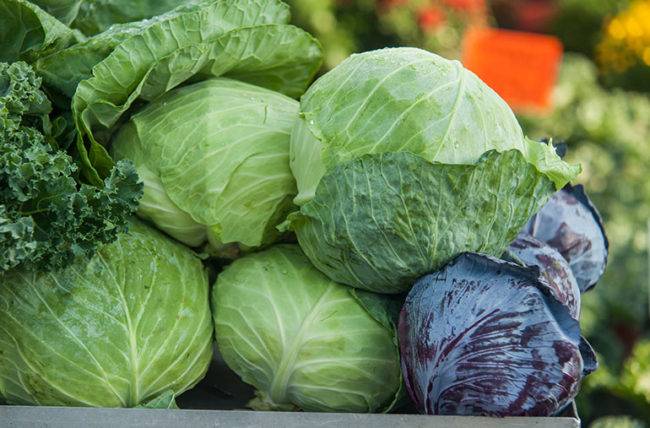

Cabbage, a cruciferous vegetable belonging to the Brassica family, has been consumed for centuries and is renowned for its nutritional value. Packed with essential vitamins, minerals, and antioxidants, cabbages offer an array of health benefits that contribute to overall well-being. In this article, we will delve into the various ways cabbages can enhance your health and why they should be a regular part of your diet.
1. Rich Source of Nutrients: Cabbages are a treasure trove of essential nutrients. They are particularly high in vitamins C and K, both of which play vital roles in supporting a healthy immune system and promoting proper blood clotting. Additionally, cabbages contain substantial amounts of vitamin B6, folate, manganese, and dietary fiber, all of which are essential for optimal bodily functions
2. Antioxidant Powerhouse: Antioxidants are compounds that protect the body against free radicals, which are harmful molecules associated with chronic diseases and aging. Cabbages are loaded with antioxidants such as polyphenols, including anthocyanins and flavonoids, which exhibit potent anti-inflammatory and cancer-fighting properties. Regular consumption of cabbages can help reduce the risk of chronic diseases, including heart disease, certain cancers, and neurodegenerative disorders
3. Cancer Prevention: Cabbages contain glucosinolates, sulfur-containing compounds that give them their characteristic pungent smell. When consumed, these compounds are broken down into bioactive compounds, such as indoles and isothiocyanates, which have been extensively studied for their anti-cancer effects. Research suggests that these compounds may help inhibit the growth of cancer cells, particularly in cancers of the breast, lung, colon, and prostate
4. Digestive Health: With its high fiber content, cabbage is an excellent addition to a healthy digestive system. The fiber promotes regular bowel movements, prevents constipation, and supports the growth of beneficial gut bacteria. Additionally, cabbage contains a specific type of fiber called sulforaphane, which may help protect the stomach lining against the development of ulcers and reduce the risk of developing gastric cancer
5. Heart Health: Including cabbages in your diet can be beneficial for your heart health. The high levels of polyphenols and fiber in cabbages help lower cholesterol levels, reduce inflammation, and maintain healthy blood pressure. These factors contribute to a decreased risk of heart disease, stroke, and other cardiovascular problems.
Cabbages offer an impressive range of health benefits that can positively impact various aspects of your well-being. From their rich nutritional profile to their cancer-fighting properties, cabbages are a versatile and accessible vegetable that can be incorporated into a wide array of dishes. Whether you prefer them raw in salads, fermented as sauerkraut, or cooked in stir-fries, harness the potential of cabbages to promote optimal health and enjoy their numerous benefits