


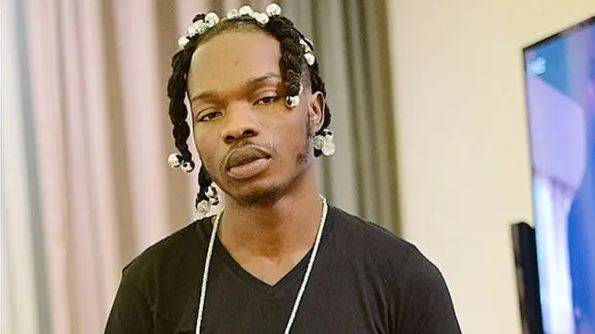
Nigeria, known as the Giant of Africa, has a diverse and vibrant music scene. From afrobeat to highlife, the country has produced some of the biggest music stars on the continent and beyond. One recent addition to Nigeria's music industry is Naira Marley, a controversial and polarizing figure whose rise to fame has been marked by both accolades and controversy.


Born Azeez Fashola in Lagos, Nigeria, Naira Marley first gained prominence with his breakout hit "Issa Goal" in 2018. The infectious song, which became an unofficial anthem for the Nigerian national football team during the World Cup, propelled him into the mainstream. However, it was his next release, "Am I A Yahoo Boy," that truly put him in the spotlight - though for all the wrong reasons.
The song title references the controversial cybercrime known as "Yahoo Yahoo," where individuals defraud unsuspecting victims online. Naira Marley's explicit lyrics and unapologetic stance on the issue garnered both praise from his fans, who felt he was speaking their truth, and outrage from critics who deemed his message irresponsible. This incident marked the beginning of Naira Marley's journey as a controversial figure in the Nigerian music industry.
Despite the backlash, Naira Marley continued to release music that resonated with young Nigerians and amassed a dedicated fanbase. His unfiltered lyrics and unique fusion of afrobeat and hip-hop further solidified his position as an artist unafraid to challenge societal norms. Songs like "Soapy" and "Tesumole" became instant hits among young Nigerians, who were drawn to his rebellious persona and unconventional style.
However, Naira Marley's controversies weren't limited to just his music. In May 2019, he was arrested by the Economic and Financial Crimes Commission (EFCC) on charges of internet fraud, money laundering, and possession of counterfeit credit cards. These charges only added fuel to the fire, with supporters arguing that he was being unfairly targeted, while critics denounced him as a criminal who should be held accountable for his actions.
Despite his legal woes, Naira Marley's popularity remained undeterred. His arrest and subsequent release on bail only seemed to further solidify his connection with the youth, who saw him as a hero against perceived oppression. This bond became evident when he organized the infamous "Marlian Fest" in Lagos, which attracted thousands of diehard fans who proudly identified themselves as Marlians, a term used to describe Naira Marley's dedicated fanbase.
What makes Naira Marley's rise even more intriguing is the cultural significance of his music. He is known to represent the streets of Lagos and the struggles faced by Nigerian youth, making him a voice for those marginalized by society. His music addresses topics such as corruption, poverty, and the lack of opportunities for young Nigerians, resonating with a generation that feels unheard.
However, critics argue that Naira Marley's influence extends beyond his music and into the realm of moral decay. They claim that his explicit lyrics and disregard for societal values have a negative impact on impressionable minds. The debate surrounding his influence on Nigerian youth continues to persist, with no clear consensus reached.
Love him or hate him, there is no denying Naira Marley's impact on Nigeria's music industry. He has successfully carved out a niche for himself, pushing boundaries and challenging the status quo. Whether he is celebrated as a cultural icon or dismissed as a problematic figure, one thing is certain - Naira Marley is here to stay, and his influence will continue to shape the Nigerian music landscape for years to come.