


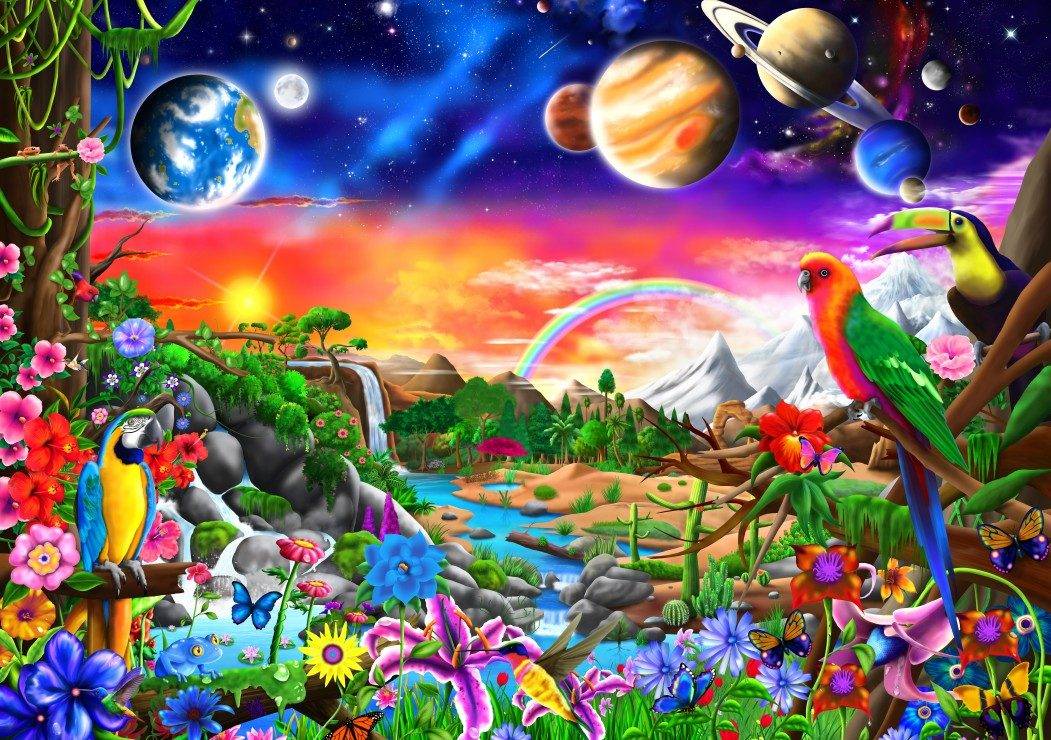
Paradise: A State of Mind
Paradise, a word that evokes images of tranquility, beauty, and ultimate satisfaction. It is a concept that has fascinated humankind for centuries, as we seek to create our own version of an earthly utopia. From literature and art to religious and philosophical teachings, the idea of paradise has permeated our collective consciousness.


But what exactly is paradise? Is it a physical place or a state of mind? Can one ever truly attain paradise? These are questions that have puzzled and inspired thinkers throughout history.
One might argue that paradise is physical, a specific location where all is perfect. The legendary Garden of Eden, described in religious texts, is often considered the epitome of paradise. In this lush and abundant haven, all creature comforts are provided, and harmony reigns. Similarly, there are many mythical places depicted in literature, like Shangri-La or Avalon, that represent idyllic settings where everything is in balance.
However, others suggest that paradise is not a physical place, but a state of mind. It is a mindset of contentment, peace, and fulfillment that one can achieve regardless of external circumstances. This viewpoint suggests that paradise can be found within oneself by cultivating gratitude, acceptance, and a sense of inner peace.
In this sense, paradise becomes a personal journey rather than an actual place to be found. It is about finding joy and beauty in the smallest of things, appreciating life's blessings, and living in the present moment. It is an ongoing pursuit, as one learns to let go of desires and attachments that hinder their happiness.
Furthermore, paradise can also be seen as a collective endeavor. It is the pursuit of creating a harmonious society where individuals coexist in harmony and respect for one another and the natural world. It is about building an equitable and just world, where everyone has access to basic necessities and opportunities for growth and fulfillment.
Paradise, whether physical or mental, is not a destination to be reached but a journey to be embraced. It is a reminder that happiness and fulfillment are not found in external possessions or achievements, but in the way we perceive and appreciate life.
In our modern world, paradise seems elusive, overshadowed by societal pressures, materialism, and constant distractions. Yet, the concept of paradise remains a beacon of hope, guiding us towards a more meaningful and purposeful existence.
Ultimately, paradise is a personal and subjective experience. It may manifest differently for each individual, but its essence lies in finding peace, contentment, and joy in one's own life. It is a reminder to cultivate gratitude, live authentically, and cherish the present moment. In doing so, we can create our own personal paradise, regardless of external circumstances.
So, whether it is an actual physical place or a state of mind, paradise serves as a reminder that true fulfillment comes from within. It is up to each of us to embark on our own personal journey towards paradise, seeking harmony, beauty, and contentment in our lives.