


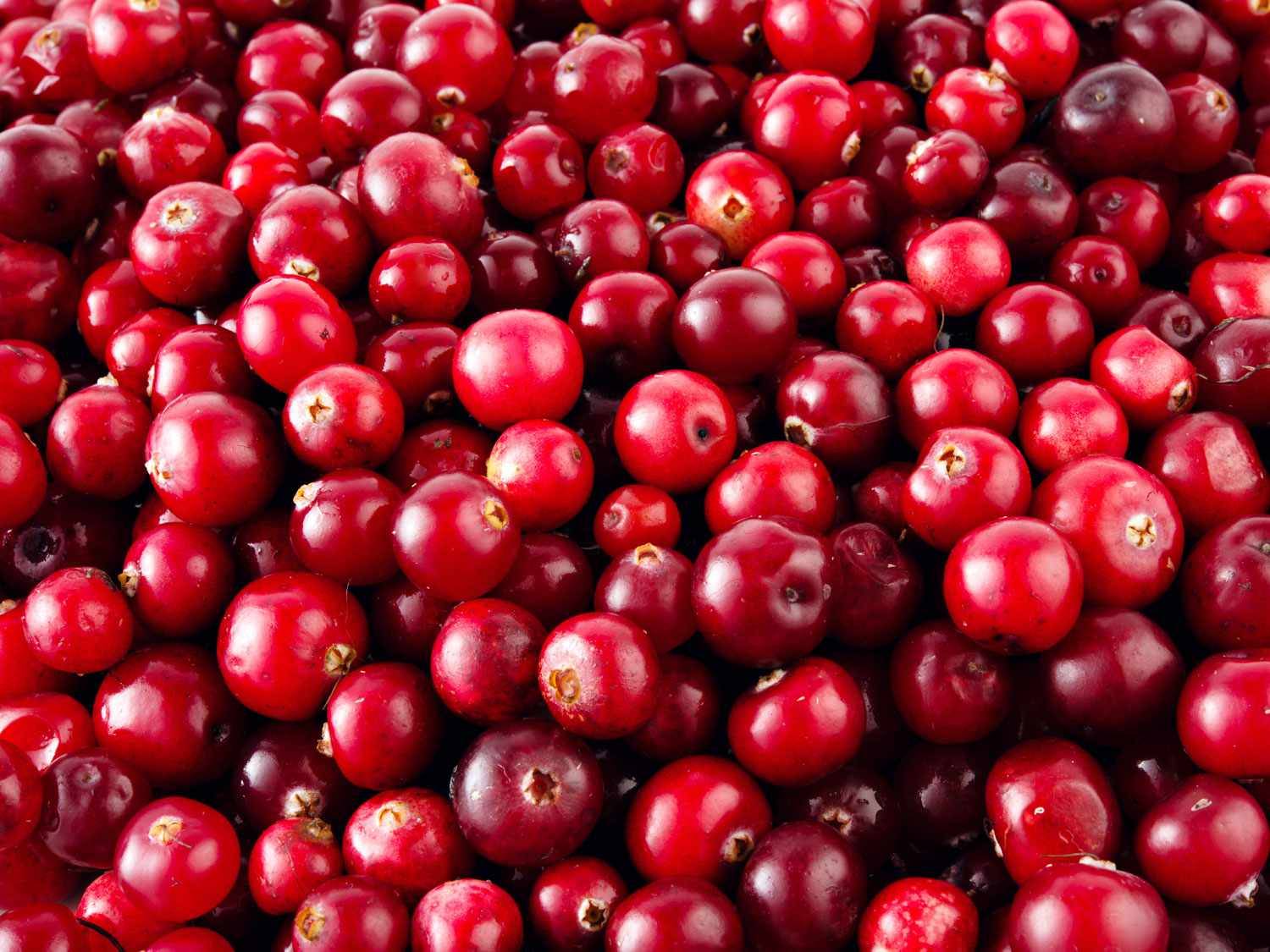
 53. Cranberries: The Tangy Superfruit of North America
Cranberries, scientifically known as Vaccinium macrocarpon, are a remarkable and versatile fruit native to North America. Renowned for their distinctive tartness, vibrant red color, and exceptional nutritional benefits, cranberries have earned a special place in the world of fruits. In this essay, we will explore the origins, cultural significance, nutritional benefits, agricultural impact, and diverse culinary uses of cranberries, celebrating their extraordinary place in the world of superfoods.
The history of cranberries is deeply rooted in North America, where the fruit has been enjoyed by indigenous peoples for thousands of years. Native American tribes, such as the Wampanoag and the Algonquin, were among the first to harvest and use cranberries in various culinary and medicinal applications. They referred to the fruit as "ibimi" or "sassamanesh," and it played an essential role in their traditional diets.
Culturally, cranberries have played a significant role in various societies and traditions. Native Americans used cranberries in ceremonies, feasts, and as a means of preserving meat. Cranberries were also used for medicinal purposes, believed to have healing properties.
From a nutritional perspective, cranberries are a powerhouse of health benefits. They are low in calories and packed with essential vitamins, minerals, antioxidants, and dietary fiber. Cranberries are particularly renowned for their role in urinary tract health, as they contain compounds that help prevent urinary tract infections by preventing bacteria from adhering to the urinary tract walls.
One of the most distinctive qualities of cranberries is their tartness, which is a result of their high content of citric acid. This tartness adds a refreshing and tangy dimension to various culinary creations, making cranberries a versatile and sought-after ingredient in both sweet and savory dishes.
Cranberries' culinary versatility is a testament to their appeal. They can be enjoyed fresh, where their tartness and crisp texture provide a refreshing burst of flavor. Fresh cranberries are often used in holiday recipes, such as cranberry sauce, which accompanies Thanksgiving and Christmas meals in the United States.
Cranberries can also be used to create a wide range of delightful beverages. Cranberry juice, often enjoyed as a standalone drink or blended with other fruit juices, is a thirst-quenching and revitalizing option. Cranberry cocktails, like the classic Cosmopolitan, showcase the fruit's tart goodness and pair it with the complexity of spirits.
One of the most iconic uses of cranberries is in desserts. Cranberry pies and tarts, with their flaky crusts and sweet-tart cranberry filling, offer a delightful combination of flavors and textures. Cranberry muffins and quick breads showcase the fruit's bright and tangy flavor, often complemented by nuts or orange zest.
Cranberries are also commonly used in baking, where they add a burst of tartness to cookies, scones, and cakes. Dried cranberries, which are sweetened and often used as a snack or salad topping, offer a convenient way to enjoy the fruit's flavor and nutritional benefits year-round.
Furthermore, cranberries have a place in the world of savory dishes. They are often used in salads, where their tartness provides a refreshing contrast to greens and other vegetables. Cranberry chutneys and relishes are popular condiments, accompanying meats like turkey and ham.
From an agricultural perspective, cranberry cultivation has expanded globally, with the United States, Canada, and Chile being major producers. Cranberry vines thrive in wetland areas known as bogs, which require special care and irrigation to ensure fruit quality. Sustainable farming practices, such as integrated pest management and responsible water usage, aim to minimize the environmental impact of cranberry production while promoting soil health and biodiversity.
Cranberry farming has also contributed to economic growth and employment in many regions. In the United States, cranberry harvesting is often a family affair, with generations working together during the harvest season to collect the fruit.
In conclusion, cranberries, with their rich history, cultural significance, nutritional benefits, agricultural impact, and diverse culinary uses, are the tangy superfruits that continue to captivate our senses and define the essence of freshness and vitality. Their vibrant red color, tart flavor, and versatility in both sweet and savory dishes make them a symbol of both indulgence and healthfulness. Whether enjoyed fresh in holiday dishes or creatively incorporated into culinary creations year-round, cranberries remain a beloved and iconic fruit that invites us to savor the tangy burst of flavor and the endless possibilities of culinary creativity.