



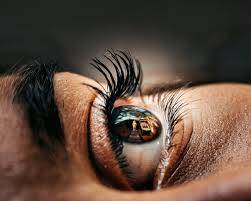
Floaters are small, often dark, and irregularly shaped specks or "cobweb" like structures that float within the vitreous humor of the eye. They are a common occurrence and are typically harmless, but they can sometimes be indicative of underlying eye issues. Here are 10 possible causes, effects, and ways to address floaters:

**Causes:**
1. **Age-related changes:** Most floaters are caused by age-related changes in the vitreous humor, which can become more liquid and form clumps or strands.
2. **Eye injuries:** Trauma to the eye can lead to the development of floaters.
3. **Eye diseases:** Conditions like diabetic retinopathy, retinal tears, or retinal detachment can cause floaters.
4. **Eye inflammation:** Inflammatory conditions of the eye, like uveitis, can result in floaters.
5. **Nearsightedness (myopia):** People with myopia are more prone to floaters.
6. **Vitreous detachment:** As the vitreous humor separates from the retina, it can cause floaters.
7. **Eye surgery:** Post-surgery floaters are a rare but possible complication.
8. **Medical conditions:** Conditions like hypertension and migraines can contribute to floaters.
9. **Medications:** Certain medications can increase the risk of floaters.
10. **Genetic factors:** Some individuals may be genetically predisposed to developing floaters.
**Effects:**
1. **Visual disturbances:** Floaters can cast shadows on the retina, leading to visual disturbances.
2. **Reduced clarity:** They can impair your ability to see clearly, particularly when reading or looking at detailed objects.
3. **Anxiety and annoyance:** Frequent floaters can be bothersome and cause anxiety about one's vision.

**Solutions:**
1. **Observation:** In many cases, floaters are harmless and may fade or become less noticeable over time. Regular eye exams can help monitor them.
2. **Surgery:** Vitrectomy is a surgical procedure to remove floaters, but it is typically reserved for severe cases.
3. **Laser therapy:** Laser treatment can sometimes break apart larger floaters into smaller, less noticeable pieces.
4. **Managing underlying conditions:** Treating underlying eye conditions or health issues can help prevent the development of new floaters.
5. **Lifestyle changes:** A healthy lifestyle, including a balanced diet, exercise, and avoiding smoking, may reduce the risk of floaters.
6. **Eye protection:** Using protective eyewear during sports or activities with a risk of eye injury can prevent floaters caused by trauma.
7. **Stress management:** Reducing stress through relaxation techniques can help alleviate symptoms associated with floaters.
If you notice a sudden increase in floaters or flashes of light, or if they are accompanied by other concerning symptoms like a curtain-like shadow in your vision, it's important to seek immediate medical attention, as this could be a sign of a serious eye condition like retinal detachment. Always consult with an eye specialist for proper evaluation and guidance on managing floaters.
No comments yet
Be the first to share your thoughts!