


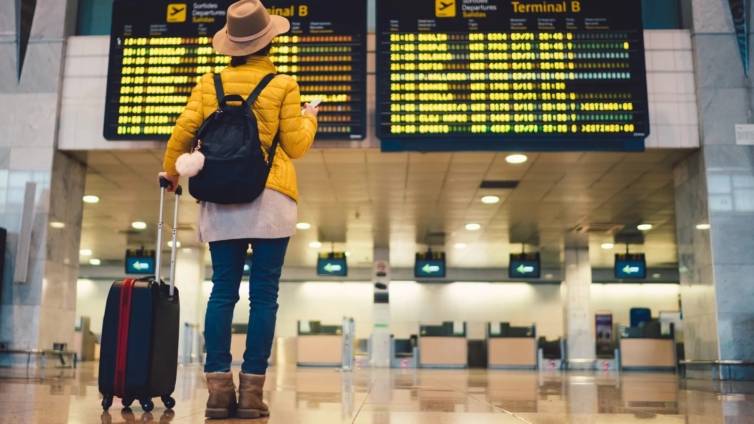
 Whether you're booking a flight, a hotel or you're currently on the road, here are 10 tips from cyber-security and travel fraud experts on how to protect yourself.
1. If the matter seems urgent or you feel pressured, that's your first red flag.
While there are many kinds of scams, they almost all have one characteristic in common: they make the target feel as if there's something they must do as urgently as possible, at risk of losing, say, their booking. "Scammers try to play on your emotions, or they try to get you to react quickly – like, if you don't take action, then there are going to be disastrous consequences. But in reality, there aren't many scenarios like that, right? You're very unlikely to receive a message from a hotel saying that, if you don't do something in the next 30 minutes or 60 minutes, you're going to lose the booking," said Oliver Devane, a senior security researcher at McAfee Labs who investigates tourism cyber scams. "Alarm bells should be going off if you're being pressed to do something quickly.That's especially true regarding customer-facing businesses, like hotels, Devane adds. "The service industry just doesn't work like that – it's meant to be a nice experience," he said.
2. Know that almost anything can be faked
Wagner's email had some suspicious details, like the unrelated hyperlink. But other phishing emails are far more professional – and might not have any tell-tale signs at all. "A few years ago, my bank sent a message that said, 'When we email you, we will always include your name, and that's how you know that this is genuine'," Wagner said. "That advice hasn't aged very well."Today, anything can be faked, experts say, including not only including a target's name, but even sending the recipient to a webpage that looks identical to the legitimate businesses.

3. Never click on a link or download an attachment from an email purporting to be a business – and never send money because an email asks for it
The fact that these emails can be so convincing, experts say, is why you should just avoid certain actions no matter how legitimate the message looks. "If an email comes asking for money, never trust it," Wagner said.4. When in doubt, contact the business or third-party platform directly (but don't use the contact details you find in the message)
If you think there is a real reason you may need to pay for a hotel or service you booked, call them directly – but use a telephone number from the company's website online, not from an email. If the message came via a third-party booking service like in the Booking.com scam, you should go to that booking service and contact their customer service directly to find out if it's legitimate.
"The Booking.com scam is pretty sophisticated, because the message that the victims receive comes from Booking.com. And they would probably think, 'Well, if it's coming from them, it is going to be legitimate'," said Devane. "But the big red flag is them trying to get you to go off of the platform.
No comments yet
Be the first to share your thoughts!