


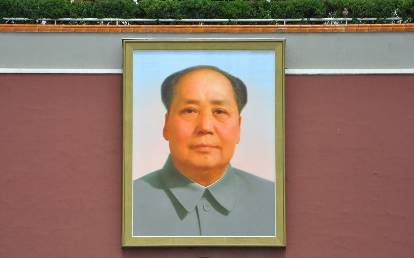
Mao Zedong: Architect of Modern China
Early Life
Mao Zedong was born on December 26, 1893, in Shaoshan, Hunan Province, China. His family belonged to the peasant class, which shaped his views on class struggle and agricultural reform. Mao pursued education at a local normal school, developing an interest in radical political ideas while exposed to Western literature and Marxist theory.
Rise to Power
Mao's political career began in the early 1920s when he became involved with the Chinese Communist Party (CCP), co-founding it in 1921. He initially worked alongside the Kuomintang (KMT), led by Sun Yat-sen, to unify the nation. However, after the KMT's leader, Chiang Kai-shek, purged communists in 1927, Mao shifted to guerrilla warfare strategies in rural areas.
The Long March
From 1934 to 1935, Mao led the Long March, a strategic retreat of the Red Army to escape KMT forces. This grueling journey of over 6,000 miles solidified Mao's leadership within the Communist Party and transformed him into a symbol of resilience and determination.
Establishment of the People's Republic of China
After years of civil war and Japanese invasion during World War II, the CCP emerged victorious over the KMT. On October 1, 1949, Mao declared the establishment of the People's Republic of China (PRC) in Tiananmen Square, marking the birth of a communist state.
Economic Policies and Reforms
Mao launched several major initiatives aimed at transforming China into a socialist society:
1. Land Reform: The early 1950s witnessed the redistribution of land from wealthy landlords to peasants, significantly altering rural social structures.
2. Five-Year Plans
Mao Zedong: Architect of Modern China
Early Life
Mao Zedong was born on December 26, 1893, in Shaoshan, Hunan Province, China. His family belonged to the peasant class, which shaped his views on class struggle and agricultural reform. Mao pursued education at a local normal school, developing an interest in radical political ideas while exposed to Western literature and Marxist theory.
Rise to Power
Mao's political career began in the early 1920s when he became involved with the Chinese Communist Party (CCP), co-founding it in 1921. He initially worked alongside the Kuomintang (KMT), led by Sun Yat-sen, to unify the nation. However, after the KMT's leader, Chiang Kai-shek, purged communists in 1927, Mao shifted to guerrilla warfare strategies in rural areas.
The Long March
From 1934 to 1935, Mao led the Long March, a strategic retreat of the Red Army to escape KMT forces. This grueling journey of over 6,000 miles solidified Mao's leadership within the Communist Party and transformed him into a symbol of resilience and determination.
Establishment of the People's Republic of China
After years of civil war and Japanese invasion during World War II, the CCP emerged victorious over the KMT. On October 1, 1949, Mao declared the establishment of the People's Republic of China (PRC) in Tiananmen Square, marking the birth of a communist state.
Economic Policies and Reforms
Mao launched several major initiatives aimed at transforming China into a socialist society:
1. Land Reform: The early 1950s witnessed the redistribution of land from wealthy landlords to peasants, significantly altering rural social structures.
2. Five-Year Plans