


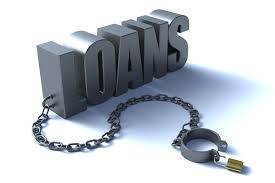

Private Student Loans in Ghana:
An Overview
Introduction In
Ghana, pursuing higher education can be costly, and while government-backed
student loans, such as those provided by the Student Loan Trust Fund (SLTF),
are popular, they may not cover all educational expenses. As a result, many
students and their families turn to private student loans to bridge the
financial gap. Private student loans are offered by commercial banks, credit
unions, and other financial institutions to assist students in financing their
education.
1. Definition and Nature of
Private Student Loans
Definition:
Private student loans are loans offered by non-governmental financial
institutions to help students pay for their education. These loans are not
subsidized by the government and often come with varying interest rates and
repayment terms, depending on the lender's policies.
Nature of Private
Student Loans:
- Source: Private student loans are provided by
commercial banks, microfinance institutions, credit unions, and private
lending companies.
- Purpose: These loans are used to cover tuition fees,
accommodation, books, and other educational-related expenses that may not
be fully covered by scholarships or government-backed loans.
- Target Audience: Students who do not qualify for
government loans or need additional financial support beyond what is
provided by SLTF may opt for private loans.
2. Characteristics of Private
Student Loans
Interest Rates:
- Variable vs. Fixed Rates: Private student loans
often come with either fixed or variable interest rates. A fixed rate
remains constant throughout the loan term, while a variable rate
fluctuates based on market conditions.
- Higher Interest: Compared to government student
loans, private student loans usually have higher interest rates due to the
added risk taken on by private lenders.
Repayment Terms:
- Immediate Repayment: Some private loans may require
students or their guarantors to begin repaying the loan while the student
is still in school. However, others may offer a grace period similar to
government loans.
- Flexible Payment Plans: Private lenders may provide
customized repayment plans that can be tailored to the borrower’s
financial situation, but these are often less flexible than those of
government loans.
Eligibility Criteria:
- Creditworthiness: Private lenders assess the
applicant’s credit history or that of the guarantor to determine loan
approval and interest rates.
- Guarantor or Collateral: Most private student loans
require a guarantor or collateral to secure the loan. This provides a form
of assurance for the lender in case of default.
- Enrollment Proof: Lenders typically require proof of
admission or enrollment in an accredited institution before disbursing
funds.
Loan Amounts:
- Variable Funding: The amount a student can borrow
depends on the lender's policies and the applicant's needs. Loan amounts
can range from partial coverage to full tuition fees and living expenses.
- Cap Limit: Some lenders may impose a cap on the
maximum amount a student can borrow based on their program of study or
financial background.

3. Benefits of Private Student
Loans
Accessibility:
Private student loans can be a vital source of funding for students who may not
qualify for government loans due to eligibility criteria or those needing more
funding than provided by SLTF.
Faster Processing:
Private lenders often have streamlined application processes that can lead to
quicker disbursement of funds compared to government loans. This is beneficial
for students who need immediate financial assistance.
Customizable Loan
Packages: Private financial institutions may offer flexible loan
packages that cater to the specific needs of students. For example, some banks
may provide loan add-ons for book purchases or living expenses.
4. Risks and Challenges of
Private Student Loans
Higher Interest Rates:
One of the significant drawbacks of private student loans is their higher
interest rates compared to government loans. This increases the total cost of
borrowing and may result in higher monthly repayment amounts.
Strict Repayment Terms:
Private student loans often come with less lenient repayment terms. Borrowers
may be required to start repaying the loan immediately after disbursement or
shortly after graduation, creating financial pressure for students who have not
secured employment.
Credit Score Dependency:
Approval for private student loans is often contingent on the applicant's or
guarantor's creditworthiness. This can be a significant barrier for students
without a solid credit history or a qualified guarantor.
Potential for Default:
Due to the higher interest rates and stricter repayment terms, the risk of
default is higher for private student loans. Failure to repay can lead to
severe consequences, including damage to the borrower’s credit score and legal
action by the lender.
5. Application Process for
Private Student Loans in Ghana
Research and Comparison:
Before applying for a private student loan, it is important for students and
their families to research and compare loan options from various lenders.
Factors to consider include interest rates, repayment terms, loan amounts, and
fees.
Eligibility Requirements:
- Proof of Enrollment: Applicants need to provide
documentation verifying their enrollment in an accredited tertiary
institution.
- Identification: Valid identification such as a
national ID, passport, or voter ID is typically required.
- Guarantor’s Information: Details about the
guarantor’s income and financial stability may need to be provided.
- Credit Check: Lenders often conduct a credit check
to assess the risk associated with lending to the applicant or guarantor.
Application Submission:
Applications can be submitted online or at the branch of the lending
institution. Applicants should ensure that all requested documents are provided
to prevent delays.
Approval and Disbursement:
Once the application is approved, the loan amount is disbursed, often directly
to the educational institution, with any remaining funds given to the student
for personal expenses.
6. Alternatives and
Considerations
Scholarships and Grants:
Students should explore scholarship and grant opportunities as a first option
since these do not require repayment.
Government Loans:
While private loans provide an alternative, students should consider
government-backed loans due to their lower interest rates and more flexible
repayment terms.
Work-Study Programs:
Some universities offer work-study programs that allow students to work
part-time to cover their educational expenses, reducing the need to take on
high-interest loans.
Loan Counseling:
Prospective borrowers should seek financial advice before taking on a private
loan to understand the implications of interest rates, repayment obligations,
and long-term financial impact.
Conclusion
Private student loans are a
valuable resource for students who need additional financial support to pursue
higher education in Ghana. While they provide accessibility and faster
processing, they come with higher interest rates and stricter repayment
conditions compared to government loans. It is crucial for students to
carefully evaluate their financial situation and explore all available options
before committing to a private student loan.
