


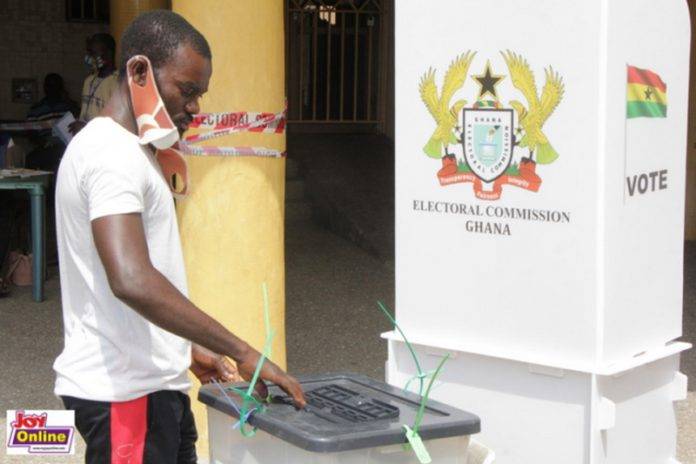
As Ghana approaches the December 7 elections, critical national concerns drive voters’ priorities.

This election holds particular significance as it comes at a time when the nation grapples with pressing economic challenges, a demand for political accountability, and a desire for social stability. With the New Patriotic Party (NPP) and the National Democratic Congress (NDC) leading the charge as favourites, the upcoming elections are set to be a turning moment for Ghana’s democratic journey.
Reports by the National Commission for Civic Education (NCCE), Global Info Analytics, and Professor Smart Sarpong, a leading political analyst, highlight six key issues: Economic Conditions, Jobs, Candidate Credibility, Education, Health, and Manifestos.

While these issues are not ranked in any particular order, they collectively reflect the electorate’s pressing needs and expectations.
Political Landscape
The political environment is dominated by the two major parties: the NPP, currently in power, and the NDC, the main opposition party. The NPP, led by President Nana Akufo-Addo, seeks to retain power amidst criticism over economic management. The NDC, under the leadership of former President John Mahama, aims to capitalise on public discontent and present a viable alternative. Notable candidates are emerging from both parties, focusing on addressing the nation’s pressing issues.
Polls and Predictions: According to recent separate surveys by Afrobarometer, Global InfoAnalytics, and the National Commission for Civic Education (NCCE), data available indicates a divided electorate with fluctuating support for both major parties. While the NPP retains a loyal base, discontent over economic issues could sway undecided voters towards the NDC. Analysts suggest the election’s outcome hinges on which party can better articulate its economic recovery and governance vision.
Key Concerns to the Ghanaian Voter
Economic Conditions: A Call for Stability
According to Global Info Analytics, Ghana’s economy has faced significant challenges in recent years, with inflation, a struggling cedi, and mounting public debt. Although the finance ministry claims the economy has made a rebound, many voters are demanding comprehensive strategies for restoring economic stability and alleviating hardships.
Whoever wins the election will have to tackle a cost-of-living crisis, widespread unemployment, high cost of living and frequent electricity outages.
Mahama’s party, the National Democratic Congress, plans to increase government spending in social sectors like health, education and infrastructure to support growth and create employment if it wins.
The New Patriotic Party, led by Bawumia, seeks to increase private investment and reduce inflation to prioritise economic stability.
According to the consultant’s analysis, Mahama’s pledges made during the campaign to improve the economic situation of people and households may also be tested if his policies must be balanced with the IMF’s calls for fiscal restraint.
Jobs and Unemployment: A National Priority
Unemployment, especially among the youth, remains a critical issue. Data from Global Info Analytics reveals that job creation is among the top three priorities for voters, with many young Ghanaians expressing frustration over limited opportunities.
Credibility of Candidates: Trust in Leadership
Reports highlight that candidates’ credibility and track records significantly influence voter decisions. Global Info Analytics found that trust in leadership is a key determinant, with many voters seeking transparency and integrity in governance.