



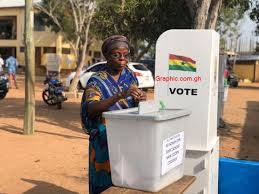
The recent Ghanaian elections have highlighted a concerning trend: a notable decline in voter turnout, signaling a growing sense of apathy towards politics among the electorate. This election, which saw key races and crucial decisions made, underscored the difficulty political parties face in motivating voters to engage in the democratic process. With Ghana being one of West Africa’s most stable democracies, the low turnout has raised alarms about the future of its political landscape.

Preliminary data shows that the voter turnout for the elections fell significantly, dipping below the 60% mark in some areas, which is considerably lower than previous years. Historically, Ghana has been known for relatively high voter participation, with figures often surpassing 70% in presidential elections. However, recent elections suggest a growing disillusionment with the political system, with citizens increasingly questioning the effectiveness of their vote.

Several factors contribute to this apathy. A major issue is the perception that political parties, whether in power or opposition, are not delivering on promises. Citizens feel that their involvement in the political process does little to address the country’s pressing issues such as unemployment, corruption, and poor public services. Furthermore, the constant bickering and partisanship between the two dominant political parties, the New Patriotic Party (NPP) and the National Democratic Congress (NDC), has left many voters frustrated and disengaged.

The role of the youth in the turnout is particularly concerning. Many young people, who represent a significant portion of the electorate, have shown decreasing interest in politics. Social media and other digital platforms, while increasing political awareness, have also created a space for disinformation, further alienating the youth from active participation.
In the long run, this trend of voter apathy could pose a threat to the democratic process in Ghana, as it diminishes the legitimacy of election results. It also highlights the need for political reforms that reconnect citizens with the political system, encouraging them to see the value of their vote and involvement in shaping the nation’s future.
No comments yet
Be the first to share your thoughts!