


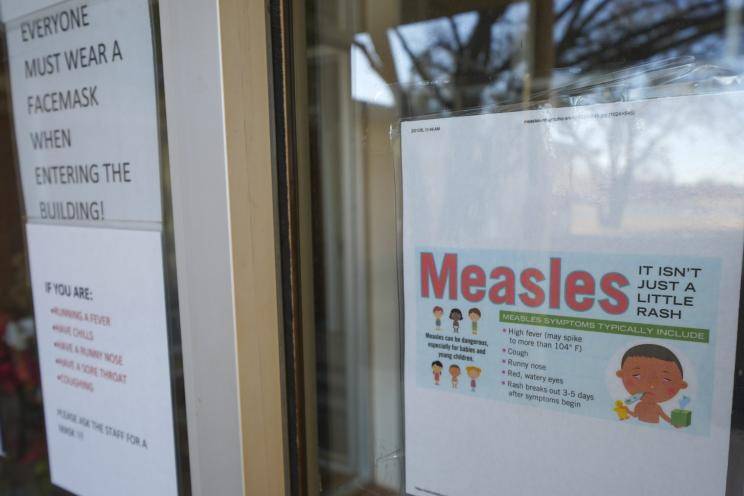
The Texas measles outbreak has escalated to 146 confirmed cases, including the tragic death of an unvaccinated child—the first U.S. measles fatality in nearly a decade. Health officials are alarmed by the rapid spread of the disease, particularly among communities with low vaccination rates. This outbreak highlights the dangers of vaccine hesitancy and the urgent need for increased public awareness and immunization efforts.
Understanding Measles: A Highly Contagious Disease
Measles is a viral infection caused by the measles virus (Morbillivirus). It is one of the most contagious diseases in the world, capable of spreading through respiratory droplets when an infected person coughs or sneezes. The virus can linger in the air and on surfaces for up to two hours, making unvaccinated individuals highly susceptible.
Symptoms of Measles
Measles symptoms typically appear 7–14 days after exposure and include:
High fever (often over 104°F)
Cough and runny nose
Red, watery eyes (conjunctivitis)
Koplik spots (tiny white spots inside the mouth)
A distinctive red rash that spreads from the face to the rest of the body
Complications of Measles
While most cases of measles resolve within a few weeks, severe complications can occur, including:
Pneumonia (a leading cause of measles-related death)
Encephalitis (brain swelling), which can cause permanent brain damage
Hearing loss
Pregnancy complications, including premature birth or miscarriage
Texas Measles Outbreak: What We Know
The Texas Department of State Health Services (DSHS) has reported that the outbreak is concentrated in West Texas and the Texas Panhandle, particularly in a Mennonite community in Gaines County. This region has a high percentage of unvaccinated individuals, making it vulnerable to outbreaks.
Key Facts About the Texas Measles Outbreak
146 confirmed cases across nine counties
First U.S. measles-related death since 2015 (an unvaccinated child)
20 patients hospitalized due to severe complications
Majority of cases involve children under 18 years old
Why is This Measles Outbreak Happening?
Several factors have contributed to the rapid spread of measles in Texas:
1. Low Vaccination Rates
Texas has seen a decline in vaccination rates due to vaccine exemptions for personal or religious beliefs. Gaines County has one of the highest rates of unvaccinated school-aged children, with nearly 14% opting out of required vaccines last year.
2. Vaccine Hesitancy and Misinformation
The rise of anti-vaccine misinformation on social media has fueled vaccine hesitancy. Many parents believe false claims that vaccines cause autism or other health problems, despite overwhelming scientific evidence proving vaccines are safe and effective.
3. Delayed Detection and Isolation
Measles symptoms can resemble the flu, making early diagnosis challenging. By the time a measles case is confirmed, the infected individual may have already spread the virus to others in schools, churches, or public spaces.
The Importance of Vaccination
The Measles, Mumps, and Rubella (MMR) vaccine is the most effective way to prevent measles. According to the Centers for Disease Control and Prevention (CDC):
One dose of the MMR vaccine is 93% effective at preventing measles
Two doses increase effectiveness to 97%
Herd immunity requires at least 95% of the population to be vaccinated to prevent outbreaks
Who Should Get Vaccinated?
Children: The CDC recommends the first MMR dose at 12–15 months and a second dose at 4–6 years old
Adults: Those born after 1957 should have at least one MMR dose if they haven’t had measles
High-risk individuals: Healthcare workers, international travelers, and college students should ensure they are fully vaccinated
Public Health Response to the Outbreak
1. Emergency Vaccination Clinics
Health officials in Texas have set up free vaccination clinics to immunize at-risk communities. These clinics aim to boost herd immunity and contain the outbreak before it spreads further.
2. Public Awareness Campaigns
The Texas Department of Health has launched educational campaigns to combat vaccine misinformation and encourage parents to vaccinate their children.
3. Contact Tracing and Quarantine Measures
Public health officials are conducting contact tracing to identify individuals who may have been exposed. Unvaccinated individuals exposed to measles are being asked to self-isolate for 21 days to prevent further spread.
Lessons from Past Measles Outbreaks
Measles was declared eliminated in the U.S. in 2000, thanks to widespread vaccination. However, outbreaks have re-emerged due to declining vaccine coverage.
2019 New York Measles Outbreak: Over 1,200 cases were reported, mainly in Orthodox Jewish communities with low vaccination rates.
2015 Disneyland Outbreak: A measles outbreak linked to Disneyland in California spread to 125 people, prompting stricter vaccination laws.
These outbreaks underscore the importance of maintaining high vaccination rates to prevent measles from regaining a foothold in the U.S.
What Can You Do to Protect Yourself and Your Family?
1. Get Vaccinated
The MMR vaccine is safe and highly effective. If you or your child are not vaccinated, schedule an appointment with your doctor or visit a local health clinic.
2. Check Your Immunization Records
If you're unsure about your vaccination status, ask your doctor for a blood test to check for measles immunity.
3. Avoid High-Risk Areas
During an outbreak, avoid crowded places where unvaccinated individuals may be present, such as schools or religious gatherings in affected areas.
4. Stay Informed
Follow updates from public health officials, such as the CDC and Texas DSHS, for the latest information on the outbreak.

Conclusion: Stopping the Spread of Measles in Texas
The Texas measles outbreak is a stark reminder of the dangers of declining vaccination rates. The tragic death of an unvaccinated child highlights the life-threatening consequences of measles and the importance of herd immunity.
By getting vaccinated, spreading accurate information, and supporting public health efforts, we can prevent further outbreaks and protect vulnerable individuals.
Key Takeaways:
The Texas measles outbreak has reached 146 cases, with one child’s death
Low vaccination rates and misinformation have fueled the outbreak
The MMR vaccine is 97% effective in preventing measles
Public health measures, including vaccination clinics and awareness campaigns, aim to contain the outbreak
Getting vaccinated is the best way to stop measles from spreading
Protect yourself and your community—get vaccinated today!