


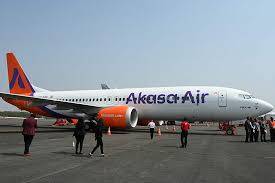
Akasa Air, India's newest low-cost airline, has rapidly carved out a significant presence in the country's aviation sector. Established with a vision to offer affordable and efficient air travel, the airline has grown considerably since its launch. This article explores the journey of Akasa Air, its fleet, destinations, services, and its impact on the Indian aviation industry.

1. The Birth of Akasa Air
1.1 Founding and Vision
Akasa Air was founded in 2021 by Vinay Dube, former CEO of Jet Airways and Go First. The airline was launched under SNV Aviation Private Limited, with substantial backing from Rakesh Jhunjhunwala, a renowned Indian investor who held a 46% stake.
The vision behind Akasa Air was to create an airline that provided:
Affordable ticket pricing
A strong focus on customer experience
Environmental sustainability
A robust network of domestic and international routes
With this strategy, Akasa Air set out to compete with major players like IndiGo, Air India, and SpiceJet.
1.2 Regulatory Approvals and Launch
The airline received its No Objection Certificate (NOC) from the Indian Ministry of Civil Aviation in October 2021. After securing the required regulatory clearances, it officially began commercial operations on August 7, 2022, with its first flight from Mumbai to Ahmedabad.
2. Fleet and Expansion Strategy
2.1 The Boeing 737 MAX Advantage
Akasa Air has opted for an all-Boeing fleet, primarily comprising the fuel-efficient Boeing 737 MAX series. This decision aligns with the airline's goal to maintain lower operational costs and enhance fuel efficiency.
Current Fleet Composition
The 737 MAX series is known for:
Lower fuel consumption: 14% less fuel burn compared to older models
Reduced emissions: 50% quieter and produces 20% fewer emissions
Enhanced passenger comfort: Improved cabin design and larger overhead bins
2.2 Expansion Plans
In January 2024, Akasa Air placed a historic order for 150 additional Boeing 737 MAX aircraft, bringing its total order to over 200 planes. This move indicates aggressive expansion plans in both domestic and international markets.

3. Route Network and Expansion
3.1 Domestic Destinations
As of August 2024, Akasa Air operates flights to 20 domestic cities, focusing on metro-to-tier-2 connectivity. Some of its key domestic routes include:
Mumbai – Bengaluru
Delhi – Chennai
Hyderabad – Kolkata
Jaipur – Pune
3.2 International Expansion
After receiving approval to operate international flights in late 2023, Akasa Air launched its first international flight to Doha, Qatar, in March 2024. Other potential international destinations include:
Dubai, UAE
Singapore
Bangkok, Thailand
Jeddah, Saudi Arabia
4. Passenger Experience and Services
4.1 Economy-Class Focus
Akasa Air operates an all-economy-class configuration, ensuring affordability while maintaining a high level of comfort.
4.2 In-Flight Services
Cafe Akasa
Offers a selection of fresh meals and beverages (not complimentary)
Focus on healthy and locally inspired dishes
Pre-booking available for passengers
Baggage Policies
Hand baggage: 7 kg limit
Checked baggage: 15 kg standard allowance, with additional baggage available for purchase
4.3 Premium Services
Flexi Premium: Allows for flexible ticket changes and priority boarding
Delayed Baggage Protection: Compensation for lost or delayed baggage
Loyalty Program (Upcoming): Expected to launch in 2025, rewarding frequent flyers
5. Competitive Advantage
5.1 Fuel Efficiency and Cost Control
Akasa Air's all-Boeing 737 MAX fleet ensures operational cost efficiency. The airline's focus on reducing fuel costs allows it to offer competitive fares while maintaining profitability.
5.2 Technological Innovations
The airline leverages AI-powered analytics to optimize routes, enhance fuel efficiency, and improve customer experience through:
Automated check-in systems
Digital boarding passes
Real-time flight updates via the Akasa Air mobile app
5.3 Sustainability Initiatives
Fuel-Efficient Fleet: Boeing 737 MAX reduces emissions by 20%
Carbon Offsetting Programs: Plans to introduce programs to allow passengers to offset their carbon footprint
Plastic-Free Initiative: Reduced single-use plastic in onboard services
6. Challenges and Future Outlook
6.1 Market Competition
Akasa Air faces stiff competition from established players like IndiGo, Air India, and Go First. The key challenge is to differentiate itself through:
Affordable fares
Superior customer experience
Aggressive expansion into international markets
6.2 Pilot and Staff Retention Issues
The airline faced setbacks in early 2024 due to pilot resignations, leading to schedule disruptions. However, it is working on strengthening its workforce by offering competitive salary packages and better working conditions.
6.3 Future Growth Plans
Expansion to 50+ domestic and international destinations by 2026
Introduction of a frequent flyer program
Further investment in fleet expansion, aiming for 300+ aircraft by 2030
7. Conclusion
Akasa Air has quickly established itself as a formidable force in the Indian aviation market. With a strong emphasis on affordability, customer satisfaction, and sustainability, the airline is poised for significant growth. Its aggressive expansion plans, modern fleet, and efficient operations make it a major player to watch in the coming years.
As India’s aviation sector continues to grow, Akasa Air’s innovative approach ensures it remains a preferred choice for budget-conscious travelers seeking a seamless flying experience.