
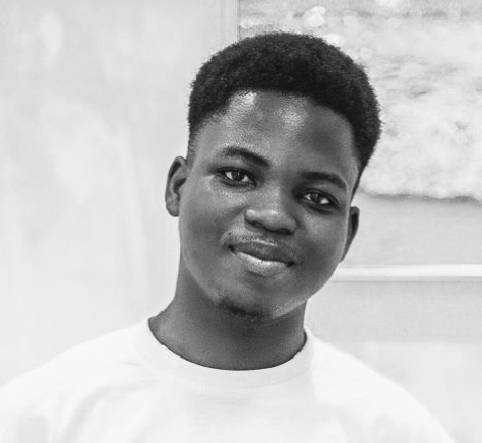


Ghanaian actor and filmmaker Fiifi Coleman has voiced his concerns over the persistent division between Kumawood and Ghallywood, stating that it is unnecessary and counterproductive to the growth of the Ghanaian movie industry. According to him, this division has done more harm than good, preventing the industry from reaching its full potential on the global stage.

A Call for Unity in Ghana’s Film Industry
Fiifi Coleman believes that the unnecessary categorization of Ghanaian films into ‘Kumawood’ and ‘Ghallywood’ is a major stumbling block to progress. He asserts that there is only one Ghanaian film industry, and stakeholders should work together to uplift the sector rather than divide it.
“We keep hearing these labels—Kumawood and Ghallywood—but in reality, we are all part of the same industry. These divisions are only creating unnecessary barriers between filmmakers, actors, and industry professionals. If we want to grow as a force in Africa’s entertainment space, we must come together as one,†Coleman emphasized.
The Kumawood vs. Ghallywood Debate

For years, the Ghanaian film industry has been informally split into two categories: Kumawood, which primarily produces Akan-language movies with heavy cultural influence, and Ghallywood, which focuses on English-language films, often targeting an international audience. This distinction has led to debates about which sector is superior, with some arguing that one produces more authentic Ghanaian stories while the other is seen as more globally appealing.
Fiifi Coleman, however, sees this debate as unnecessary. He argues that both styles of filmmaking have their strengths and should complement each other rather than compete. “Storytelling is storytelling. Whether in Akan, English, or any other language, what matters is the quality of production, the acting, and the ability of the movie to connect with audiences,†he stated.
The Impact of the Division on the Industry
The actor highlighted some negative consequences of the industry’s division, including:
Limited Collaboration – Many actors and filmmakers remain confined within their respective sectors, reducing opportunities for cross-industry collaborations that could enhance the quality of productions.
Reduced Market Reach – Instead of focusing on creating one strong national film industry, the division limits the potential audience for Ghanaian films by keeping them in isolated categories.
Lack of Unified Support – Government and private-sector support are often split, rather than collectively boosting the entire industry.
Missed Opportunities for Global Recognition – Rather than presenting a united front to the world, Ghana’s film industry remains fragmented, making it harder to gain international traction.
The Way Forward
To move past this division, Fiifi Coleman suggests that stakeholders in the industry must:
Encourage More Collaboration – Actors and filmmakers from both sides should work together to produce high-quality films that showcase the diversity of Ghanaian storytelling.
Support a National Film Identity – Rather than using labels like Kumawood and Ghallywood, the focus should be on branding all Ghanaian films under one umbrella to attract more global recognition.
Improve Film Quality – Regardless of language or style, efforts should be made to improve scriptwriting, cinematography, and overall production quality.
Government and Private Sector Investment – More funding should be allocated to the industry as a whole rather than favoring one section over the other.

Public Reactions
Coleman’s statements have sparked reactions from various industry players and movie lovers. Some agree with his stance, noting that the labels have created unnecessary rivalries. Others believe that Kumawood and Ghallywood should remain separate due to their distinct audiences and storytelling styles.
Regardless of differing opinions, it is evident that the Ghanaian film industry needs a more unified approach to thrive. As Fiifi Coleman continues to advocate for change, many hope that his call for unity will inspire action towards strengthening Ghana’s place in global cinema.