


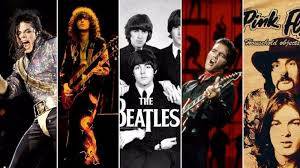
Pop music has been a dominant force in the music industry for over a century, continuously evolving to reflect cultural trends, technological advancements, and shifts in audience preferences. From the early days of radio hits to the streaming-dominated landscape of today, pop music has transformed in ways that have defined generations. This article explores the evolution of pop music through the decades, highlighting key artists, trends, and innovations that have shaped the genre.

1950s: The Birth of Rock 'n' Roll and Early Pop
The 1950s marked the emergence of rock 'n' roll, which played a significant role in shaping modern pop music. Artists like Elvis Presley, Buddy Holly, and Chuck Berry brought a new energy to music with their upbeat rhythms and charismatic performances. The decade also saw the rise of vocal harmony groups such as The Platters and The Everly Brothers, who influenced the sound of future pop ballads.
Technological advancements, including the widespread use of television and the expansion of radio, allowed pop music to reach a broader audience. The 1950s set the stage for what would become the global pop phenomenon.
1960s: The British Invasion and Motown’s Influence
The 1960s saw the rise of The Beatles, The Rolling Stones, and other British artists who reshaped pop music with their innovative songwriting and global appeal. Known as the British Invasion, this movement brought a fusion of rock, pop, and experimental sounds that captivated audiences worldwide.
Meanwhile, Motown Records introduced a polished and soulful sound that dominated the charts. Artists like The Supremes, Marvin Gaye, and Stevie Wonder created timeless hits that remain influential today. The 1960s were a transformative period that introduced new styles and a more diverse musical landscape.
1970s: The Disco Era and Soft Rock Revolution
The 1970s were defined by two contrasting movements: disco and soft rock. Disco, led by artists like Donna Summer, the Bee Gees, and Chic, brought danceable beats and infectious energy to pop music. It became a cultural phenomenon, with nightclubs and disco fashion becoming an integral part of the era.
At the same time, soft rock and folk-influenced pop gained popularity with artists like Fleetwood Mac, Elton John, and Carole King. These musicians emphasized storytelling and melody, leading to some of the most memorable pop ballads of all time.
1980s: The Rise of Synthpop and MTV’s Influence
The 1980s saw the explosion of synthesizers and electronic production, giving birth to synthpop. Artists such as Madonna, Michael Jackson, and Prince dominated the charts with their genre-blending sounds and larger-than-life personas.

MTV, launched in 1981, revolutionized pop music by making music videos an essential part of an artist’s success. Visual storytelling became just as important as the music itself, allowing artists to craft iconic imagery that still resonates today. The era also saw the emergence of new wave, hip-hop crossovers, and power ballads, expanding the definition of pop music.
1990s: The Boy Band Craze and the Rise of R&B-Pop
The 1990s brought a mix of bubblegum pop and R&B-infused hits. Boy bands like *NSYNC, Backstreet Boys, and 98 Degrees ruled the charts, alongside pop princesses like Britney Spears and Christina Aguilera. Their catchy hooks, polished production, and choreographed performances set the standard for mainstream pop.
Simultaneously, R&B-pop artists such as Mariah Carey, TLC, and Boyz II Men infused soul and hip-hop elements into pop music, leading to some of the decade’s biggest hits. The 1990s also saw alternative rock and grunge influence pop, as acts like Alanis Morissette and No Doubt brought edgier sounds into the mainstream.
2000s: The Digital Age and the Rise of Pop Icons
With the rise of the internet and digital music platforms, the 2000s saw a shift in how people consumed music. iTunes and MP3 players changed the industry, while reality TV competitions like American Idol introduced new pop sensations such as Kelly Clarkson and Carrie Underwood.
Pop music became more experimental, blending electronic, hip-hop, and dance influences. Superstars like Beyoncé, Rihanna, and Lady Gaga emerged, each defining the decade with their bold styles and musical versatility. The rise of hip-hop-infused pop also became more pronounced, with collaborations between rappers and pop singers dominating the charts.
2010s: Streaming Dominance and Genre-Blending
The 2010s were shaped by streaming services such as Spotify and Apple Music, which transformed the way music was discovered and consumed. Artists like Taylor Swift, Ed Sheeran, and Ariana Grande leveraged digital platforms to reach global audiences.
The decade also saw the rise of genre-blending, with artists like Billie Eilish incorporating alternative and indie elements into pop, and Post Malone bridging the gap between rap, rock, and mainstream pop. K-pop, led by groups like BTS and BLACKPINK, became an international sensation, proving pop music had no geographical limits.
2020s and Beyond: The Future of Pop Music
As we move further into the 2020s, pop music continues to evolve with advancements in technology, artificial intelligence, and social media trends. TikTok has become a powerful force in launching viral hits, while AI-generated music is beginning to challenge traditional songwriting.
Artists today are embracing authenticity, vulnerability, and individuality more than ever before. The emphasis on mental health, inclusivity, and innovation ensures that pop music will remain a reflection of the times. Whether through hybrid genres, immersive digital experiences, or new ways of creating and sharing music, the future of pop is limitless.

Conclusion
Pop music has undergone incredible transformations over the decades, continuously adapting to cultural shifts and technological advancements. From the rock-infused hits of the 1950s to today’s genre-blurring, digitally-driven landscape, pop remains one of the most dynamic and influential forces in music. As the industry continues to evolve, one thing remains certain—pop music will always find new ways to capture the hearts and minds of listeners around the world.