

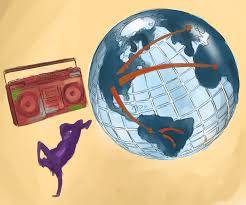
Hip-hop is more than just a genre of music; it is a cultural movement that has shaped global society in profound ways. From its origins in the Bronx during the 1970s to its widespread influence across continents, hip-hop has transcended music to impact fashion, language, politics, and social activism. Today, it stands as one of the most powerful cultural forces in the world, influencing everything from marketing strategies to political campaigns. This article explores how hip-hop has transformed global culture, breaking down barriers and redefining artistic expression.

The Origins and Evolution of Hip-Hop
Hip-hop emerged in the Bronx, New York, in the 1970s, born out of block parties where DJs, MCs, breakdancers, and graffiti artists came together to create a unique artistic and musical movement. Influenced by funk, jazz, and soul, hip-hop provided an outlet for marginalized communities to express themselves in a society that often ignored their voices.
The genre rapidly evolved from underground parties to mainstream success in the 1980s, with artists such as Run-D.M.C., Grandmaster Flash, and LL Cool J pioneering the commercialization of hip-hop. By the 1990s, hip-hop had diversified into various subgenres, from the conscious rap of Public Enemy to the gangsta rap of N.W.A. The global reach of artists like Tupac Shakur, The Notorious B.I.G., and Jay-Z cemented hip-hop as a dominant cultural force.
Hip-Hop’s Impact on Fashion
Hip-hop has had an undeniable influence on fashion, redefining streetwear and luxury branding. In the 1980s and 1990s, artists popularized brands like Adidas, FUBU, and Timberland, making them synonymous with hip-hop culture. Oversized clothing, gold chains, and sneakers became symbols of self-expression and identity.
In recent years, hip-hop artists have collaborated with high-end fashion brands, blurring the lines between streetwear and luxury. Kanye West’s Yeezy line, Rihanna’s Fenty brand, and collaborations between artists and designers like Virgil Abloh have demonstrated hip-hop’s power to shape global fashion trends. Today, hip-hop influences runway shows, sneaker culture, and even the way major fashion brands market their products.
Language and Slang: The Globalization of Hip-Hop Vernacular
Hip-hop has introduced a vast array of slang and linguistic styles into everyday conversation. Terms like “bling,†“lit,†“dope,†and “woke†have transcended their origins in hip-hop culture and become part of mainstream language worldwide.
Additionally, hip-hop’s rhythmic and poetic nature has influenced speech patterns, advertising, and digital communication. Social media platforms have amplified hip-hop’s linguistic influence, making rap lyrics and catchphrases viral across different cultures and languages.
The Political and Social Power of Hip-Hop

Hip-hop has always been a voice for social and political issues, tackling subjects such as racism, police brutality, poverty, and inequality. From the early messages of Grandmaster Flash’s The Message to Kendrick Lamar’s Alright, hip-hop has continuously served as a form of protest and empowerment.
Internationally, hip-hop has become a tool for activism in countries facing oppression and censorship. In Africa, Latin America, and the Middle East, hip-hop artists use their music to highlight social injustices, fight for human rights, and challenge government policies. In countries like France, Brazil, and South Africa, hip-hop has become a means of resistance and storytelling for marginalized communities.
Hip-Hop and Technology: The Rise of Digital Platforms
The rise of digital technology has further expanded hip-hop’s influence. Streaming services, social media, and online platforms like YouTube, TikTok, and SoundCloud have democratized access to hip-hop, allowing independent artists to reach global audiences without traditional record labels.
Hip-hop artists were among the first to embrace digital marketing and direct-to-fan engagement. Rappers like Drake and Travis Scott have mastered the art of online branding, using platforms like Instagram and Twitter to interact with their audiences and promote their music in real-time.
Hip-Hop’s Role in Film, Television, and Marketing
Beyond music, hip-hop has become an integral part of film, television, and advertising. Movies like 8 Mile, Straight Outta Compton, and Juice have brought hip-hop culture to the big screen, while shows like Empire and The Get Down have explored its history and impact.
Major brands have leveraged hip-hop to connect with younger audiences. Companies like Nike, Pepsi, and Sprite frequently collaborate with hip-hop artists for endorsements, recognizing the genre’s powerful cultural influence. Hip-hop’s presence in marketing has made it a multi-billion-dollar industry, influencing product placements, advertisements, and branding strategies worldwide.
The Future of Hip-Hop’s Influence
As hip-hop continues to evolve, its influence on global culture shows no signs of slowing down. Emerging artists from different regions, such as Afrobeat-influenced hip-hop from Nigeria or K-hip-hop from South Korea, demonstrate how the genre is constantly reinventing itself.
With advancements in artificial intelligence, virtual reality, and new digital platforms, hip-hop is poised to continue shaping the entertainment industry in innovative ways. Whether through political activism, fashion, language, or technology, hip-hop remains a defining force in global culture.

Conclusion
From its humble beginnings in the Bronx to its status as a worldwide phenomenon, hip-hop has left an indelible mark on culture, society, and industry. It has redefined fashion, language, activism, and entertainment, proving that it is more than just music—it is a way of life. As the genre continues to break boundaries and evolve, its impact on global culture will only grow stronger, ensuring that hip-hop remains a powerful voice for generations to come.