


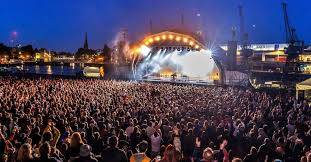
Music festivals have become a defining element of the modern entertainment industry, evolving from small gatherings of music enthusiasts to massive, multi-million-dollar events that attract global audiences. From Coachella and Glastonbury to Tomorrowland and Lollapalooza, these festivals continue to expand in scale and profitability year after year. But what exactly is driving this sustained growth? The success of music festivals is fueled by several key factors, including the rise of live music experiences, lucrative sponsorship deals, technological innovations, and the power of social media. In this article, we explore the reasons behind the booming business of music festivals and why they show no signs of slowing down.

The Demand for Live Music Experiences
One of the biggest reasons for the rise of music festivals is the growing demand for live music experiences. In an era where digital streaming has made music more accessible than ever, live concerts and festivals offer something unique that cannot be replicated online: an immersive, communal experience. Fans are willing to pay a premium for the opportunity to see their favorite artists perform in a dynamic and festive atmosphere.
Many festivals offer more than just music; they provide an all-encompassing entertainment experience that includes art installations, interactive exhibits, gourmet food, and even wellness activities such as yoga and meditation. This broader appeal has attracted a diverse audience, expanding the market beyond traditional concertgoers.
Sponsorship and Brand Partnerships
Corporate sponsorship is one of the most significant revenue streams for music festivals. Major brands recognize the value of aligning themselves with these events, as they offer direct access to engaged audiences. Companies like Red Bull, Heineken, and Adidas sponsor festivals, providing financial support in exchange for brand visibility and promotional opportunities.
In addition to traditional sponsorships, many brands have created their own experiences within festivals, such as branded lounges, interactive booths, and exclusive VIP areas. These partnerships help festivals generate additional revenue while allowing brands to engage with consumers in a memorable way.
The Role of Social Media and Digital Marketing
Social media has played a crucial role in the growth of music festivals. Platforms like Instagram, TikTok, and Twitter allow festivals to reach a global audience, generating hype and excitement long before the event takes place. Attendees eagerly share their festival experiences online, effectively serving as brand ambassadors by showcasing the festival's atmosphere, performances, and fashion.
Hashtags, influencer collaborations, and live-streamed performances further amplify the reach of festivals, turning them into cultural phenomena. Many festivals also offer mobile apps with interactive schedules, maps, and exclusive content, enhancing the overall experience for attendees while keeping them engaged year-round.

Economic Impact and Tourism Growth
Music festivals have a massive economic impact on local communities. Cities and regions that host large-scale festivals experience a surge in tourism, benefiting hotels, restaurants, transportation services, and local businesses. Events like Coachella in California and Glastonbury in the UK generate hundreds of millions of dollars in economic activity, creating jobs and boosting local economies.
Governments and tourism boards have recognized the financial benefits of music festivals, often providing support through funding or infrastructure improvements. As a result, new festivals continue to emerge worldwide, catering to a growing demand for these large-scale events.
Technological Advancements and the Festival Experience
The integration of technology has transformed the festival experience, making it more seamless and enjoyable for attendees. RFID wristbands and mobile ticketing systems have replaced traditional paper tickets, reducing wait times and preventing fraud. Cashless payment systems allow festivalgoers to purchase food, drinks, and merchandise with ease.
Virtual reality (VR) and augmented reality (AR) are also being incorporated into festivals, providing immersive experiences that enhance performances and storytelling. Some festivals have even introduced live streaming and virtual ticket options, allowing fans who can't attend in person to experience the event from anywhere in the world.
Diversification and Niche Festivals
As the festival market has grown, organizers have increasingly focused on diversification to cater to different audiences. While major festivals like Coachella and Lollapalooza feature mainstream pop, rock, and electronic acts, niche festivals have emerged to serve specific genres and communities.
Events like Primavera Sound in Spain emphasize indie and alternative music, while festivals like Rolling Loud cater specifically to hip-hop fans. Meanwhile, Burning Man has carved out a unique space as an art and self-expression festival rather than a traditional music event. This diversification allows music festivals to reach new audiences while maintaining strong loyalty from dedicated fan bases.
Challenges and the Future of Music Festivals
Despite their continued growth, music festivals face several challenges, including rising production costs, safety concerns, and environmental impact. Organizers must navigate logistical issues such as crowd management, security, and unpredictable weather conditions to ensure a smooth experience for attendees.
Sustainability has also become a major focus, with festivals implementing eco-friendly initiatives such as reusable cups, solar-powered stages, and waste reduction programs. As climate concerns become more pressing, the industry must adapt to create greener and more sustainable events.

Conclusion
The business of music festivals is thriving, driven by a combination of live music demand, corporate sponsorships, social media influence, and economic impact. As technology continues to enhance the festival experience and niche markets expand, the industry shows no signs of slowing down. While challenges remain, music festivals have proven to be resilient and adaptable, ensuring their place as one of the most exciting and profitable sectors in the entertainment industry. Whether you're a fan, an artist, or an investor, the future of music festivals looks brighter than ever.