


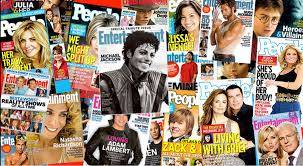
Celebrities & Pop Culture: The Ever-Evolving Relationship
Pop culture and celebrities have shared an inseparable bond for decades, influencing fashion, trends, social issues, and even politics. With the rise of social media, this dynamic has evolved significantly, giving fans unprecedented access to their favorite stars while reshaping the way celebrities maintain their public personas. From Hollywood icons and music superstars to influencers and reality TV stars, the impact of celebrities on modern culture is undeniable. In this article, we explore the evolving role of celebrities in pop culture, their influence on society, and how the digital age continues to redefine fame.

The Power of Celebrity Influence
Celebrities have always played a crucial role in shaping cultural narratives. In the past, figures like Marilyn Monroe, Elvis Presley, and Audrey Hepburn set the tone for fashion, beauty, and entertainment. Today, that influence extends to a wider range of industries, including politics, philanthropy, and activism.
Brands and corporations have long recognized the power of celebrity endorsements. A single endorsement from a well-known figure can catapult a product to global fame. From Michael Jordan revolutionizing the sneaker industry with Air Jordans to Rihanna’s Fenty Beauty redefining inclusivity in makeup, celebrity-backed brands continue to dominate the marketplace.
Beyond consumerism, celebrities have also driven important social conversations. Figures like Taylor Swift, Leonardo DiCaprio, and Angelina Jolie have used their platforms to advocate for political engagement, climate action, and humanitarian causes, proving that celebrities can leverage their fame for meaningful change.
The Rise of Social Media and Digital Fame
The advent of social media has reshaped how celebrities interact with their audiences. In the past, fans relied on television interviews, magazine covers, and tabloid stories to get glimpses into the lives of the rich and famous. Today, platforms like Instagram, Twitter, TikTok, and YouTube offer a direct line of communication between celebrities and their followers.
This shift has allowed stars to take control of their own narratives. Instead of relying on traditional media outlets, they can now share their thoughts, daily routines, and even personal struggles directly with fans. This level of transparency has created a sense of intimacy between celebrities and their audiences, fostering loyalty and engagement on an unprecedented scale.
The rise of digital fame has also paved the way for a new category of celebrities: social media influencers. Figures like Charli D’Amelio, Emma Chamberlain, and Addison Rae have built massive followings without traditional media backing. These influencers have become major players in the entertainment industry, securing brand deals, starring in films, and launching their own businesses.
Hollywood's Evolving Definition of Stardom

While Hollywood remains a dominant force in pop culture, the definition of stardom has expanded beyond actors and musicians. Reality TV personalities, social media influencers, and even viral internet sensations now share the spotlight with A-list celebrities.
Reality television, for instance, has turned individuals into household names overnight. The Kardashian-Jenner family is a prime example of how reality TV fame can transition into business empires. Kylie Jenner, once known as the youngest member of the Kardashian clan, leveraged her fame to build a billion-dollar cosmetics brand.
Streaming platforms like Netflix and YouTube have further diversified the entertainment industry, allowing lesser-known creators to reach global audiences. Shows like Stranger Things have turned relatively unknown actors into international stars, proving that traditional Hollywood pathways are no longer the only route to fame.
The Dark Side of Celebrity Culture
Despite the glitz and glamour, celebrity culture comes with its challenges. Constant media scrutiny, online trolling, and the pressures of maintaining public appeal can take a toll on mental health. High-profile breakdowns, such as those of Britney Spears and Lindsay Lohan, highlight the intense pressures of fame and the toll it can take on individuals.
Cancel culture has also emerged as a controversial aspect of modern celebrity life. Public figures are now held accountable for their actions in ways never seen before, with social media acting as both judge and jury. While some argue that cancel culture promotes accountability, others believe it fosters a toxic environment where individuals are unfairly vilified for past mistakes.
The Future of Celebrities in Pop Culture
As technology continues to evolve, so too will the landscape of celebrity culture. The rise of artificial intelligence, deepfake technology, and virtual influencers (such as Lil Miquela) suggests that the very concept of celebrity might shift in the coming years. Will AI-generated personalities replace human influencers? Will virtual reality concerts become the norm? The answers remain uncertain, but what is clear is that pop culture will continue to evolve alongside technological advancements.
Despite these changes, one thing remains constant: the public’s fascination with celebrities. Whether through traditional Hollywood, social media, or emerging digital platforms, people will always be drawn to figures who entertain, inspire, and influence the world around them.

Conclusion
Celebrities and pop culture have a symbiotic relationship that continues to evolve in the digital age. From influencing trends and activism to redefining the concept of fame itself, celebrities remain central figures in society. As new media platforms emerge and audiences demand more authenticity, the nature of celebrity influence will continue to shift. Regardless of these changes, the cultural impact of celebrities will remain a defining feature of our time.