


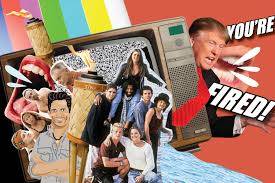
Reality television has become one of the most dominant forces in modern entertainment, shaping trends, influencing public perception, and redefining celebrity culture. Since its rise in the late 20th century, reality TV has evolved into a massive industry, spanning multiple genres, from talent competitions and dating shows to survival challenges and docu-series. Today, it plays a crucial role in pop culture, affecting fashion, language, social media, and even politics. This article explores the profound impact reality TV has had on society and how it continues to shape contemporary culture.

The Rise of Reality TV
Reality television gained mainstream popularity in the early 2000s with shows like Survivor, Big Brother, and American Idol. These programs introduced audiences to unscripted drama, real-time competition, and interactive engagement through voting systems. Networks quickly realized the genre’s appeal, leading to an explosion of reality-based content across various platforms.
Shows like The Real World (1992) and Keeping Up with the Kardashians (2007) paved the way for reality stars to become household names, blurring the line between entertainment and real life. As social media grew, reality TV personalities leveraged their fame into lucrative careers, cementing the genre's lasting impact on pop culture.
The Impact on Celebrity Culture
Reality TV has redefined what it means to be a celebrity. Unlike traditional Hollywood stars who rise to fame through acting or music, reality stars often gain popularity simply by being themselves. This shift has democratized celebrity culture, allowing everyday individuals to become famous overnight.
For instance, Kim Kardashian leveraged her reality TV fame into a billion-dollar empire, influencing beauty standards and business trends worldwide. Similarly, The Bachelor franchise has turned contestants into social media influencers, capitalizing on their TV exposure to promote brands, launch podcasts, and even transition into mainstream media roles.
Fashion and Lifestyle Trends
Reality TV has a significant influence on fashion and lifestyle choices. Shows like Project Runway and America’s Next Top Model have shaped beauty and style trends, while Keeping Up with the Kardashians and The Real Housewives franchises have popularized luxury fashion and cosmetic procedures.
Viewers often emulate the fashion choices of their favorite reality stars, driving sales for brands and shaping consumer behavior. The rise of athleisure, the popularity of contouring makeup techniques, and even viral hairstyles can often be traced back to reality TV influencers.
Social Media and the Power of Influence
The relationship between reality TV and social media has further amplified its impact. Contestants and stars now use platforms like Instagram, TikTok, and Twitter to engage with audiences, extending their influence beyond television.
Many reality stars transition into full-time influencers, securing brand deals, launching their own businesses, and maintaining relevance long after their TV stints end. Platforms like TikTok have even created a new wave of reality-style content, where users document their daily lives and experiences in an unscripted format, mirroring traditional reality TV storytelling.

Changing Social Norms and Conversations
Reality TV has played a role in normalizing discussions around important social issues. Shows like RuPaul’s Drag Race have increased LGBTQ+ visibility, while series like Queer Eye promote self-acceptance and personal growth. Even dating shows like Love Island and The Bachelorette have sparked conversations about relationships, gender dynamics, and diversity representation.
Additionally, reality TV has brought attention to mental health struggles, with contestants opening up about anxiety, depression, and body image issues. While some critics argue that reality TV exploits these topics for entertainment, others believe it has helped destigmatize difficult conversations and raise awareness.
The Dark Side of Reality TV
Despite its influence, reality TV has faced criticism for promoting unrealistic lifestyles, scripted drama, and toxic behavior. Many shows thrive on conflict, leading to accusations of emotional manipulation and editing tactics that distort reality.
Additionally, the pressure of reality TV fame can take a toll on participants’ mental health. The sudden rise to stardom, social media scrutiny, and intense public judgment have led to serious consequences for some reality stars, including struggles with mental health and even tragic incidents of self-harm.
Furthermore, the ethical concerns surrounding competition-based reality shows, particularly those featuring extreme challenges or exploitative contracts, have sparked debates about participant welfare and fair treatment within the industry.
Reality TV’s Influence on Politics and Society
The impact of reality TV extends beyond entertainment—it has shaped political discourse and societal norms. The election of Donald Trump, a former reality TV star, demonstrated how the genre could influence political success. His time on The Apprentice built a public persona that played a crucial role in his presidential campaign.
Moreover, reality TV has redefined the way people consume news and politics. Shows like The Daily Show and political docu-series have embraced reality TV-style storytelling, blending entertainment with real-world issues to engage audiences in new ways.
The Future of Reality TV
As streaming services continue to grow, reality TV is evolving to fit new platforms and viewing habits. Netflix, Hulu, and Amazon Prime have embraced the genre with original reality content, proving that demand remains high. Meanwhile, interactive reality shows, where audiences influence outcomes through voting and social media participation, signal the next phase of reality TV’s evolution.
Additionally, the rise of virtual reality (VR) and augmented reality (AR) could introduce immersive reality TV experiences, allowing viewers to engage with content in unprecedented ways. Whether through interactive dating shows or live-action role-playing competitions, the future of reality TV promises to be even more engaging and immersive.

Conclusion
Reality TV has left an undeniable mark on pop culture, shaping everything from fashion and social media trends to politics and societal norms. While it has faced criticism for its portrayal of drama and unrealistic lifestyles, its influence remains powerful. As technology and audience preferences continue to evolve, reality TV will likely adapt and remain a dominant force in entertainment for years to come. Whether you love it or hate it, there’s no denying that reality television has fundamentally changed the way we consume and interact with pop culture.