


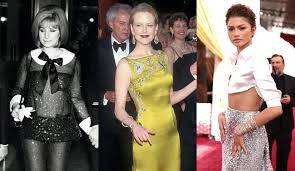
The red carpet has long been synonymous with glamour, luxury, and high fashion. What was once a simple walkway for celebrities has evolved into a global showcase of style, branding, and cultural influence. From the early days of Hollywood to the digital age of instant fashion critiques, the red carpet has transformed into an essential part of the entertainment and fashion industries. This article explores the history, evolution, and future of red carpet fashion, examining how it has become a platform for artistic expression, social commentary, and commercial success.

The Origins of Red Carpet Fashion
The tradition of the red carpet dates back to ancient Greece, where red-dyed carpets were reserved for royalty and gods. However, the modern red carpet as we know it began in early Hollywood during the 1920s and 1930s. As cinema gained popularity, film premieres and award ceremonies became grander, and the red carpet became a symbol of exclusivity and prestige.
During this era, fashion on the red carpet was elegant yet relatively understated. Actresses like Jean Harlow and Bette Davis wore sophisticated gowns designed by in-house studio costume designers rather than independent fashion houses. The goal was to enhance the glamorous image of Hollywood stars while maintaining a sense of mystique.
The Golden Age of Hollywood and Couture Influence
By the 1950s and 1960s, the influence of haute couture became more prominent on the red carpet. Designers like Christian Dior, Givenchy, and Balenciaga began dressing Hollywood’s biggest stars, cementing the connection between fashion and film. Audrey Hepburn’s close collaboration with Givenchy, for example, set a new standard for red carpet elegance, proving that fashion could be just as significant as the films themselves.
The introduction of televised award shows, such as the Academy Awards broadcast in 1953, further elevated red carpet fashion. Viewers could now witness the spectacle firsthand, increasing public interest in celebrity fashion choices and making the red carpet an essential element of the entertainment industry.
The Rise of Designer Branding and Celebrity Stylists
The 1980s and 1990s marked a turning point in red carpet fashion. Designers recognized the promotional power of dressing celebrities, leading to the emergence of brand collaborations. Luxury fashion houses competed to have their designs worn by A-list stars, understanding that a standout red carpet moment could generate immense publicity and increase sales.
This era also saw the rise of celebrity stylists, who became crucial figures in shaping red carpet fashion. Stylists like Rachel Zoe, Patricia Field, and Law Roach transformed the way stars approached their fashion choices, curating looks that balanced personal style with commercial appeal. As a result, red carpet moments became more calculated, with designers and celebrities working together to create unforgettable fashion statements.

The Digital Age and the Social Media Revolution
The early 2000s and 2010s ushered in a new era of red carpet fashion, driven by the rise of digital media and social networking platforms. The internet made red carpet events more accessible than ever, with fashion critics, bloggers, and everyday fans analyzing looks in real time.
Social media platforms like Instagram and Twitter turned red carpet fashion into a global conversation, where a single dress could go viral within minutes. Hashtags, live-tweeting, and instant fashion critiques made every red carpet event an interactive experience. Designers capitalized on this exposure, ensuring their creations were not just beautiful in person but also photogenic and shareable online.
This period also saw the rise of high-fashion risks and unconventional red carpet choices. Celebrities like Lady Gaga, Rihanna, and Billy Porter embraced avant-garde fashion, challenging traditional ideas of red carpet glamour. Iconic moments, such as Rihanna’s yellow Guo Pei gown at the Met Gala or Billy Porter’s tuxedo gown by Christian Siriano, showcased how the red carpet had become a space for artistic and cultural statements.
Diversity, Representation, and Political Statements
In recent years, the red carpet has evolved beyond just fashion—it has become a platform for social and political expression. Celebrities use their fashion choices to make statements about inclusivity, representation, and activism. The Time’s Up movement at the 2018 Golden Globes, where stars wore black to protest sexual harassment in Hollywood, demonstrated the power of fashion as a tool for advocacy.
There has also been a growing push for diversity in red carpet fashion. More designers of color, gender-nonconforming stylists, and sustainable fashion brands are gaining recognition, challenging the industry’s historical exclusivity. The inclusion of plus-size fashion, gender-fluid clothing, and culturally significant attire has made the red carpet a more reflective space of global fashion diversity.
The Future of Red Carpet Fashion
As the fashion industry continues to evolve, so will red carpet fashion. Sustainability is becoming a key focus, with celebrities opting for eco-friendly gowns, vintage pieces, and upcycled designs. Stars like Emma Watson and Billie Eilish have championed sustainable fashion, proving that glamour and environmental consciousness can coexist.
Technology will also play a significant role in the future of red carpet fashion. Digital fashion, 3D-printed garments, and virtual red carpet experiences could revolutionize the way we perceive celebrity style. As the metaverse expands, we may see virtual red carpets where digital avatars showcase fashion in entirely new ways.
Moreover, red carpet fashion is likely to continue embracing inclusivity and individuality. As barriers break down, we can expect even more daring, personal, and culturally meaningful fashion moments.

Conclusion
The red carpet has transformed from a simple Hollywood tradition into a global phenomenon that merges fashion, celebrity culture, and social influence. From the golden age of Hollywood glamour to the digital age of viral moments, red carpet fashion has continuously evolved, reflecting changes in society, technology, and artistic expression.
As the industry moves forward, sustainability, inclusivity, and innovation will shape the future of red carpet fashion. Whether through groundbreaking designs, political statements, or new digital experiences, the red carpet will remain a powerful stage for self-expression, creativity, and cultural impact.