


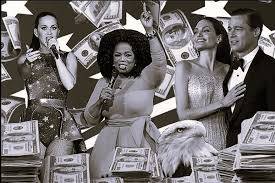
In the age of social media, a new kind of celebrity has emerged: the influencer. Unlike traditional celebrities who gain fame through film, music, or sports, influencers rise to prominence through digital platforms such as Instagram, YouTube, TikTok, and Twitch. Their reach and impact on modern culture are undeniable, shaping consumer habits, trends, and even societal norms. This article explores the rise of influencer culture, its impact on entertainment and marketing, and how digital celebrities are redefining fame in the 21st century.

The Birth of Influencer Culture
The concept of influence is not new. For decades, brands have used celebrity endorsements to market their products. However, the digital age has democratized fame, allowing ordinary people to build massive followings and shape public opinion. The emergence of social media in the mid-2000s created a space where content creators could connect directly with audiences, bypassing traditional gatekeepers such as film studios, record labels, and publishing houses.
YouTube, founded in 2005, played a pivotal role in this transformation. Early influencers like Jenna Marbles, PewDiePie, and Michelle Phan gained millions of followers by creating relatable, entertaining, and niche content. Instagram and later TikTok accelerated this trend, making it easier than ever for individuals to showcase their lifestyles, talents, and expertise to a global audience.
Defining the Digital Celebrity
Digital celebrities, or influencers, are individuals who build a dedicated following through their online content. Unlike traditional celebrities who achieve fame through artistic or athletic achievements, influencers often cultivate their audience through authenticity, relatability, and engagement. They range from beauty gurus and fitness coaches to gamers, comedians, and lifestyle vloggers.
Some of the most successful influencers, such as Charli D'Amelio, MrBeast, and Emma Chamberlain, have amassed millions of followers and turned their digital fame into lucrative business ventures. Many influencers now launch their own brands, collaborate with major companies, and even transition into traditional media, blurring the lines between digital and mainstream fame.
The Business of Influencing
Influencer culture has revolutionized the advertising industry. Brands now recognize the power of social media personalities to drive consumer behavior. Influencer marketing has become a multi-billion-dollar industry, with companies allocating significant portions of their budgets to collaborations with digital celebrities.

Unlike traditional advertisements, influencer marketing feels more organic. Followers perceive influencers as peers rather than distant celebrities, making their endorsements more persuasive. A single Instagram post or TikTok video from a top influencer can generate more engagement than traditional advertisements, leading to higher sales and brand loyalty.
Platforms like Instagram and TikTok have also introduced monetization tools such as brand partnerships, ad revenue sharing, and subscription models, allowing influencers to make a living solely from their digital presence. The rise of influencer agencies has further professionalized the industry, helping digital stars negotiate deals and expand their brand presence.
The Cultural Impact of Influencers
Influencers have not only changed marketing but also reshaped culture. Trends now emerge from social media rather than traditional fashion or entertainment industries. Viral challenges, beauty standards, and lifestyle choices are often dictated by popular content creators rather than movie stars or musicians.
TikTok, in particular, has become a cultural powerhouse. Dance trends, viral recipes, and even political movements have been amplified through the platform. Influencers like Addison Rae and Bella Poarch have parlayed their TikTok success into music careers, fashion collaborations, and mainstream media appearances, proving that digital fame can transcend social media.
Additionally, influencers have played a significant role in shaping public discourse. Many use their platforms to advocate for social issues, from climate change and mental health awareness to racial justice and political activism. However, this influence also comes with challenges, as misinformation can spread rapidly when shared by high-profile digital personalities.
Challenges and Controversies in Influencer Culture
Despite its success, influencer culture is not without controversy. The industry faces criticism for promoting unrealistic lifestyles, fostering materialism, and blurring ethical lines in advertising. Some influencers have been called out for inauthentic endorsements, where they promote products they do not genuinely use.
Another challenge is the pressure to constantly create content and maintain engagement. Many influencers experience burnout due to the relentless demands of social media, where algorithms reward frequent posting and high engagement. The pressure to stay relevant can lead to mental health struggles, with many digital celebrities speaking out about the toll of online fame.
Additionally, the rise of cancel culture has made influencer careers highly precarious. A single misstep—whether an offensive tweet from years past or a poorly received brand deal—can lead to significant backlash and a loss of followers. Unlike traditional celebrities who have PR teams and industry support, many influencers must navigate controversies on their own, making their careers more volatile.
The Future of Influencer Culture
As digital platforms continue to evolve, so will influencer culture. The industry is expected to become more diverse, with new platforms emerging and new content formats gaining popularity. Live streaming, virtual influencers, and AI-driven content creation are all poised to shape the next phase of digital celebrity culture.
Moreover, brands are becoming more strategic in their influencer partnerships, focusing on authenticity and long-term collaborations rather than one-off sponsorships. Micro-influencers (those with smaller but highly engaged audiences) are gaining more recognition for their ability to drive genuine interactions and build strong communities.
The metaverse and virtual reality may also play a significant role in the future of digital influence. As online spaces become more immersive, influencers could create virtual personas and experiences that redefine the concept of digital celebrity.

Conclusion
The rise of influencer culture has reshaped the entertainment, marketing, and social landscapes. Digital celebrities have disrupted traditional notions of fame, proving that anyone with talent, creativity, and an internet connection can achieve global recognition. While challenges such as mental health struggles and authenticity concerns remain, the influence of social media personalities continues to grow.
As technology advances and new platforms emerge, the influencer industry will continue to evolve. Whether through brand collaborations, activism, or content creation, digital celebrities will remain a dominant force in shaping modern culture and consumer behavior for years to come.