


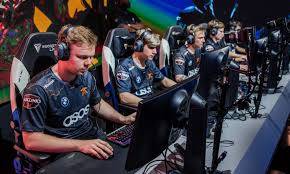
The gaming and e-sports industry has transformed from a niche pastime into a global entertainment powerhouse. With millions of players and spectators worldwide, competitive gaming has evolved into a multi-billion-dollar industry that rivals traditional sports. From live-streamed tournaments to sponsorship deals and celebrity players, gaming and e-sports continue to reshape entertainment and digital culture. This article explores the rise of gaming and e-sports, its impact on the entertainment industry, and what the future holds.

1. The Evolution of Gaming: From Arcades to Online Arenas
Video games have come a long way from the early days of arcade machines and 8-bit consoles. What once was a hobby played in living rooms has expanded into a vast digital ecosystem with online multiplayer modes, massive open worlds, and virtual reality experiences. The rise of internet connectivity allowed gamers to compete with others globally, laying the foundation for organized e-sports tournaments. With platforms like Twitch, YouTube Gaming, and Discord, gaming has become a shared experience rather than a solitary activity.
2. The Growth of E-Sports: From Grassroots to Global Stages
E-sports has evolved from small, community-driven competitions into an industry with professional leagues, corporate sponsorships, and million-dollar prize pools. Games like League of Legends, Counter-Strike: Global Offensive, Dota 2, and Fortnite have developed competitive scenes that attract millions of viewers worldwide. The rise of e-sports organizations, player contracts, and dedicated stadium events has legitimized gaming as a professional career path. Events like The International, the League of Legends World Championship, and the Overwatch League finals have set new standards for e-sports, drawing audiences comparable to traditional sporting events.
3. Streaming and Content Creation: The New Era of Gaming Celebrities
Platforms like Twitch and YouTube have created a new class of gaming influencers. Streamers such as Ninja, Pokimane, and Dr Disrespect have built massive followings by playing games live, interacting with fans, and showcasing their personalities. Unlike traditional athletes, e-sports players and content creators engage directly with their audiences through live chats and social media, making the gaming community highly interactive. Sponsorship deals, merchandise sales, and ad revenue have turned gaming content creation into a lucrative profession.

4. Gaming and Mainstream Media: The Cross-Industry Influence
The impact of gaming extends beyond just e-sports. Movies, TV series, and music are increasingly influenced by gaming culture. Successful adaptations like The Witcher and Arcane have proven that gaming franchises can make compelling mainstream entertainment. Even non-gaming industries, such as fashion, are tapping into gaming culture, with brands like Louis Vuitton and Adidas collaborating with e-sports teams and in-game skins becoming a form of virtual self-expression.
5. The Economics of Gaming and E-Sports
The financial impact of gaming and e-sports is staggering. The global gaming industry is worth over $200 billion, and e-sports alone generates billions through sponsorships, media rights, and merchandise sales. Companies like Riot Games, Valve, and Epic Games have revolutionized monetization models, offering free-to-play games with in-game purchases that generate massive revenue. This shift has led to a new era where developers focus on creating ongoing content rather than one-time purchases.
6. The Role of Technology: Cloud Gaming and VR
The future of gaming is closely tied to technological advancements. Cloud gaming services like Xbox Cloud Gaming and NVIDIA GeForce Now allow players to stream games without high-end hardware. Virtual reality (VR) and augmented reality (AR) are also pushing the boundaries of interactive entertainment. Games like Half-Life: Alyx and Beat Saber demonstrate the potential of immersive experiences, while Metaverse-like platforms, such as Roblox and Fortnite, are redefining digital interaction.
7. Challenges Facing the Gaming Industry
Despite its rapid growth, gaming and e-sports face several challenges. Issues such as player burnout, toxicity in online communities, and concerns over microtransactions and loot boxes remain controversial topics. Furthermore, the industry continues to navigate regulations regarding gambling mechanics, data privacy, and fair competition. As gaming grows, maintaining a balance between profitability and player well-being remains a key challenge.
8. The Future of Gaming and E-Sports
As gaming continues to evolve, the line between virtual and real-world entertainment will blur further. The rise of blockchain gaming, play-to-earn models, and AI-driven game development could redefine how games are made and played. Meanwhile, e-sports is expected to expand further into mainstream media, potentially becoming an Olympic event in the future.

Conclusion
Gaming and e-sports are no longer just hobbies—they are industries that shape global entertainment and digital culture. With increasing investments, technological advancements, and a growing audience, gaming is set to become even more influential in the years to come. Whether through competitive play, content creation, or new forms of digital experiences, the future of gaming and e-sports promises to be an exciting one.