
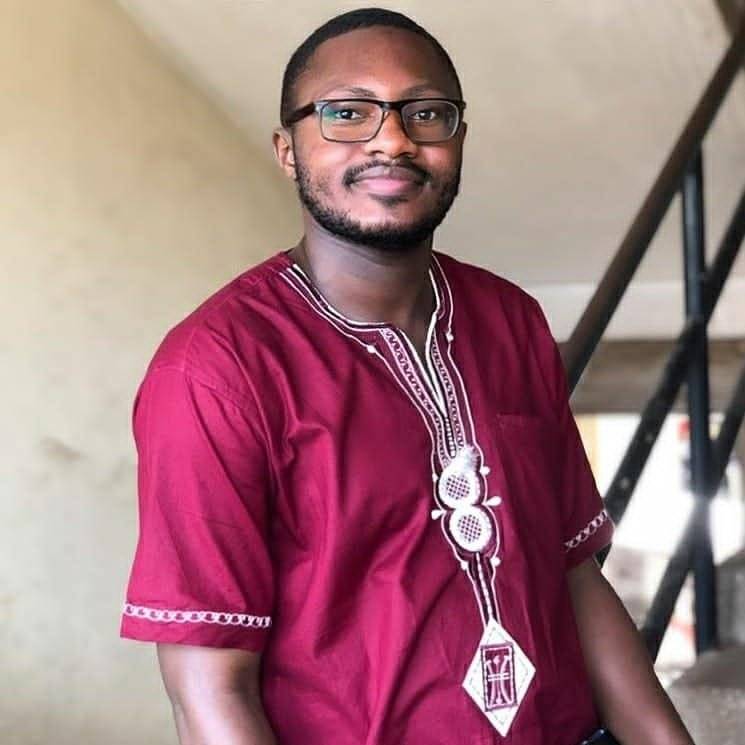

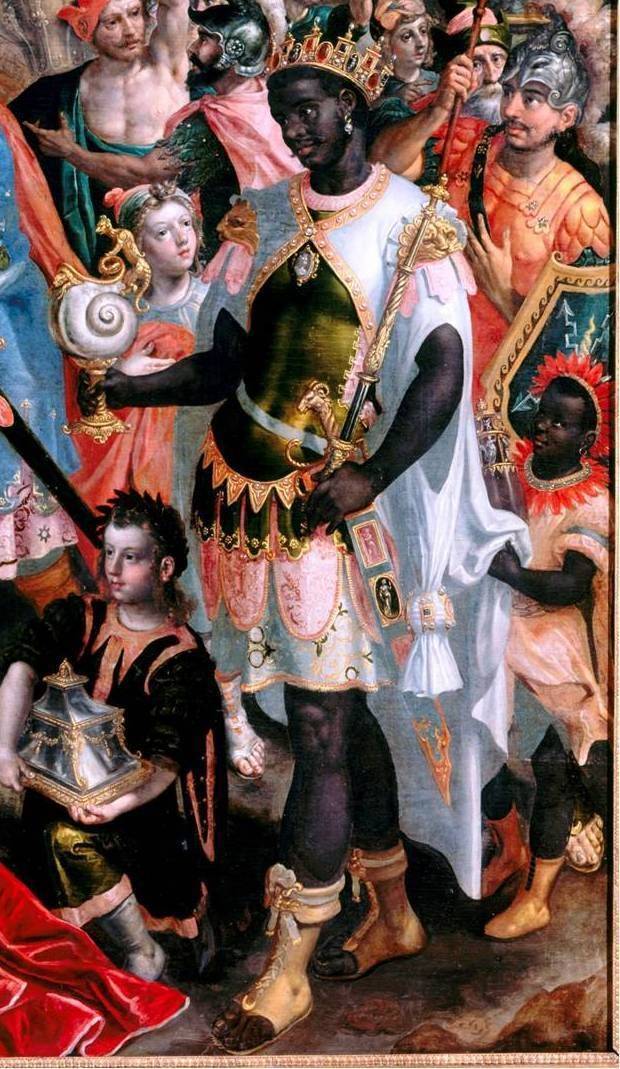
In a captivating lecture hosted by the Hidden Science Academy, historian Robin Walker took an enthralled audience on a journey through the rich, often overlooked history of the Moors in Spain. With a commanding presence and a wealth of knowledge, Walker dismantled myths and illuminated the profound contributions of African civilizations to European history, urging attendees to rethink the narrative of the past.
The Moors: Who Were They?
The term "Moor" has long been shrouded in ambiguity, often mischaracterized as a purely religious or ethnic label. Walker clarified that "Moor" originally denoted the dark-skinned peoples of Northwest Africa, a term rooted in Phoenician and Latin languages where it signified "Western" or "black." Far from being a monolithic group, the Moors were a diverse blend of indigenous Africans, Berbers, Arabs, and later, European and Slavic populations. The earliest inhabitants, descendants of those who created the Saharan rock paintings, were African, joined over centuries by invaders and settlers, including the Sea Peoples, Romans, Vandals, and Arabs.
This complex tapestry of identities shaped North Africa, but Walker emphasized a critical point: the original Moors were predominantly African, a fact often obscured by scholars who conflate later enslaved populations with the region's indigenous peoples. The Berbers, whose linguistic roots trace back to East Africa, further underscore the African foundation of Moorish culture.

A Golden Age in Spain
From the 8th to the 15th centuries, the Moors transformed Spain into a beacon of civilization while Western Europe languished in the Dark Ages. Walker painted a vivid picture of Cordoba in 950 AD, a bustling metropolis with a million inhabitants, paved streets, sewers, street lamps, and 200,000 properties. The city boasted 900 public baths, 800 schools, and colleges that educated both boys and girls-a stark contrast to the barbarism described by European scholars of the time, who noted widespread famine, plague, and even cannibalism in Europe.
The Moors’ achievements were staggering. They introduced advanced irrigation, cultivating crops like sugarcane, cotton, oranges, and rice. Their hydraulic technologies, such as water wheels, revolutionized agriculture. Cordoba’s Great Mosque, now known as La Mezquita, stands as a testament to their architectural prowess, its intricate ceilings rivaling any modern marvel. The Moors also pioneered industries, from silk and leather to mining and maritime trade, importing goods like Chinese tea and African ivory.
Intellectually, the Moors were unrivaled. Cordoba produced 70,000 to 80,000 books annually, with libraries housing up to 600,000 volumes. Women, too, played a significant role, with female authors and scholars highly esteemed. The Moors introduced the compass, taught geography using globes, and laid the groundwork for the European Renaissance by preserving and translating classical texts.
Dynasties and Conquests
Walker traced the Moorish saga through several dynasties, beginning with the Umayyads under Abd al-Rahman I, a ruler of mixed Arab and African descent who unified Spain in 756 AD. His agricultural innovations and military organization set the stage for centuries of prosperity. The Almoravids, emerging from West Africa, established Marrakesh as a capital and conquered Spain in 1086, spreading golden coinage that influenced European economies. The Almohads, another African dynasty, followed, building exquisite monuments like the Tinmal Mosque in Morocco.
The Kingdom of Granada, the last Moorish stronghold, endured until 1492. Despite being hemmed in by Christian forces, Granada thrived under the Nasrid dynasty, with the Alhambra palace as its crowning jewel. Walker recounted the final conquest by Ferdinand and Isabella, who exiled the last Muslim ruler, Abu Abdullah, and expelled millions of Moors by the early 17th century, erasing their legacy from Spain’s narrative.
Rewriting History
Walker’s lecture was not just a history lesson but a call to action. He challenged the audience to confront the deliberate erasure of African contributions, citing European scholars like Joseph McCabe, who acknowledged the Moors’ splendor, and Professor Lane-Poole, who lamented Spain’s decline after their expulsion. The Moors’ influence, from the etymology of “tariff†to the sickle cell trait’s presence in Portugal, underscores their indelible mark on Europe.
Attendees left inspired, their perspectives shifted. Marlene, a repeat visitor to Hidden Science Academy events, emphasized the need to rewrite history to reflect African achievements. Cleopatra, a student of Walker’s course, expressed awe at the architectural legacy awaiting her in Spain. Joan, a newcomer, lamented the Eurocentric curriculum that obscured this truth, advocating for its decolonization.
A Legacy Rediscovered
The Hidden Science Academy, through events like this, is quietly empowering communities to reclaim their history. Walker’s organization, the Black Secret Education Project, offers resources like the free book 100 Black History Facts and a subscription-based website, www.theblacksecret.co.uk, to deepen understanding. His book When We Ruled is recommended as a starting point for those eager to explore further.
As the applause faded, one thing was clear: the story of the Moors is not just a chapter in Spain’s past but a vital piece of global history, demanding recognition. For those seeking truth, Walker’s lecture was a powerful reminder that history, when uncovered, can reshape our understanding of who we are and what we can achieve.