


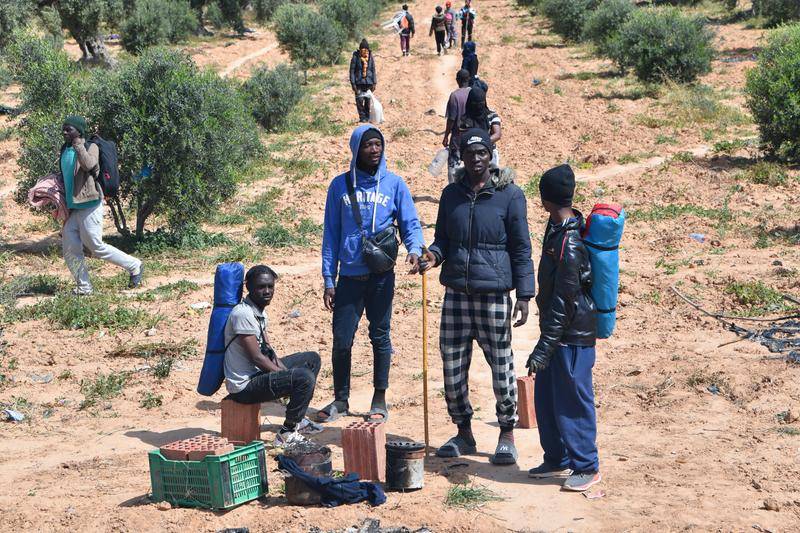
Facing Hardships Abroad, Migrants in Tunisia Choose the Road Back Home

In the heart of North Africa, Tunisia has emerged as a focal point in the broader migration conversation, not as a final destination but as a temporary stopover for many sub-Saharan Africans hoping to reach Europe. However, the tides are turning, and an increasing number of these migrants are now choosing to return to their countries of origin voluntarily, driven by economic hardship, deteriorating living conditions, and changing political climates.
The International Organization for Migration (IOM) has recently reported a sharp rise in the number of migrants opting for voluntary repatriation programs from Tunisia. In 2024 alone, over 5,000 migrants have been assisted in returning home—a figure that represents a significant uptick compared to previous years.
For years, Tunisia was seen as a springboard to Europe, especially for migrants fleeing conflict, poverty, and climate disasters in countries such as Côte d’Ivoire, Guinea, Mali, and Sudan. Many risked treacherous journeys through deserts and over sea routes, with Tunisia becoming a waiting point before attempting the perilous crossing of the Mediterranean.
But worsening economic conditions, rising xenophobia, and increasingly stringent migration policies in both Tunisia and Europe have left many in limbo. Job opportunities are scarce, housing is unaffordable, and social support is limited. As a result, a growing number of migrants are choosing what once seemed like an unthinkable decision—going back home.
"I had dreams of getting to Italy and supporting my family," said Mamadou, a 26-year-old from Guinea who arrived in Tunisia two years ago. "But I ended up living on the street, facing hunger and abuse. I realized returning was the only way to survive with dignity.
The IOM’s Voluntary Humanitarian Return (VHR) program has become a lifeline for migrants like Mamadou. The program offers free transportation back to their countries of origin, along with reintegration support, which may include skills training, psychological counseling, or small-business grants.
“These are not deportations,†emphasized Federica Biondi, IOM's chief of mission in Tunisia. “These are people who voluntarily sign up to go home after realizing the challenges here outweigh the opportunities.â€
According to Biondi, many returnees are now part of community-based reintegration programs, helping others reconsider irregular migration and think critically about the risks involved.