


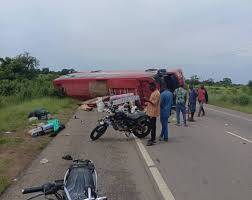
Tragedy on the Tamale-Bolgatanga Highway: A Call for Urgent Road Safety Reform

The Tamale-Bolgatanga Highway, a vital artery connecting Ghana’s northern regions, has long been a lifeline for traders, travelers, and communities. Yet, its bustling traffic and often treacherous conditions have made it a hotspot for accidents, with a recent tragedy underscoring the urgent need for reform. A fatal collision between a commercial bus and a motorcycle has left families grieving, communities shaken, and advocates demanding stronger road safety measures. This heartbreaking incident is not an isolated event but a stark reminder of the systemic issues plaguing Ghana’s highways.
The accident, which occurred on a busy stretch of the highway, claimed the life of the motorcyclist and left others injured. Eyewitnesses described a chaotic scene: the bus, reportedly speeding, collided with the motorcycle as it attempted to navigate the road. The impact was devastating, with emergency services struggling to respond swiftly due to the highway’s remote sections. For those who rely on this route daily, the incident was a grim confirmation of their worst fears. Narrow lanes, poor signage, and a lack of speed enforcement have long made the Tamale-Bolgatanga Highway a ticking time bomb.
Local residents and road safety advocates are now raising their voices, calling for immediate action. The highway’s design, they argue, is ill-equipped to handle the volume and diversity of vehicles—ranging from heavy trucks to nimble motorcycles. Overloaded buses and reckless driving exacerbate the risks, while pedestrians and cyclists are often left vulnerable. “We’ve lost too many lives,†said a local community leader. “How many more accidents before the authorities act?†Their frustration is palpable, fueled by years of unheeded warnings and patchwork solutions.

Data paints a sobering picture. Ghana’s National Road Safety Authority has reported a rise in highway accidents over the past decade, with the northern regions particularly hard-hit. Speeding, poor road maintenance, and inadequate driver training are recurring culprits. The Tamale-Bolgatanga Highway, despite its economic importance, lacks critical safety features like speed bumps, reflective signs, or dedicated lanes for slower vehicles. For motorcyclists, who are especially vulnerable, the absence of protective barriers or clear road markings is a daily gamble.
So, what can be done? Experts suggest a multi-pronged approach. First, stricter enforcement of traffic laws is essential. Speed cameras and regular patrols could deter reckless driving, while hefty fines might discourage overloading. Second, infrastructure upgrades are long overdue. Widening key sections, installing proper signage, and creating separate lanes for motorcycles and pedestrians would reduce risks. Finally, public awareness campaigns could educate drivers on safe practices, emphasizing the shared responsibility of keeping roads safe.

The tragedy on the Tamale-Bolgatanga Highway is a wake-up call. It’s a plea from grieving families, a demand from frustrated commuters, and a challenge to policymakers. Ghana’s highways should be corridors of opportunity, not death traps. By investing in safety, enforcing regulations, and fostering a culture of responsibility, we can honor the lives lost and ensure safer journeys for all. The time to act is now—before another preventable tragedy strikes.