


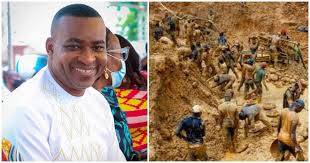
Unveiling Ghana’s Bold Move: Akonta Mining’s Licence Revoked Over Galamsey Scandal!

In a seismic shift for Ghana’s environmental landscape, the Minister for Lands and Natural Resources, Emmanuel Armah-Kofi Buah, announced the immediate revocation of Akonta Mining Company Limited’s licences on April 21, 2025. This dramatic action follows damning allegations of illegal mining—locally dubbed “galamseyâ€â€”and a criminal syndicate operating within protected forest reserves. As Ghana battles the devastating effects of galamsey, this move signals a renewed commitment to safeguarding its natural heritage, sparking trending conversations across social media and news platforms like Google Trends.
Akonta Mining, owned by Bernard Antwi-Boasiako (aka Chairman Wontumi), a prominent New Patriotic Party figure, faces accusations of egregious violations. Despite holding a legal lease for off-reserve mining, the company allegedly encroached into the Aboi and Tano Nimiri Forest Reserves, selling access to illegal miners for a staggering GH₵300,000 per concession. Some deals even involved weekly gold royalties of 250 grams, fueling environmental destruction. The River Tano and surrounding forests have suffered immensely, with pollution levels threatening Ghana’s water security—a crisis trending on platforms like X, where users demand #StopGalamseyNow.

The government’s response was swift and uncompromising. An intelligence-led raid on Good Friday, April 17, 2025, uncovered six illegal mining sites linked to Akonta. The operation resulted in 51 arrests, including eight Chinese nationals, and the seizure of 30 excavators, weapons, and vehicles. Minister Buah, visibly emotional during a press conference, described Akonta’s actions as a “criminal syndicate†devastating Ghana’s ecosystems. He directed the Minerals Commission to revoke the company’s lease and interdicted implicated forestry officials, with investigations now under the Attorney-General’s purview.
This crackdown aligns with Ghana’s broader fight against galamsey, a term trending globally due to its catastrophic impact. Illegal mining has polluted 60% of Ghana’s water bodies, with rivers like the Pra and Ankobra turning brown from mercury and cyanide contamination. The Ghana Water Company warns of potential water imports by 2030 if the menace persists. Health risks, including neurological damage and birth defects, further amplify the urgency, making this a hot topic in environmental and health discussions online.

Buah’s stern warning to large-scale miners hiding behind legal leases resonates with public sentiment. “We will not stop until galamsey is uprooted, until our waters run blue, and our forests turn green,†he declared, echoing calls from activists and civil society groups like OccupyGhana. The government’s pledge to offer youth alternative livelihoods aims to address unemployment, a key driver of galamsey, while urging public vigilance to report illegal activities.
This bold step against Akonta Mining is a clarion call for accountability, trending as a beacon of hope for Ghana’s environmental future. Join the conversation with #NoToGalamsey and support Ghana’s quest for sustainable progress. Share this story to amplify the fight against illegal mining and protect our planet!