

Cryptocurrency: The Future of Money or Just a Digital Craze?
Money is no exception in a world where technology evolves at lightning speed. Over the last decade, cryptocurrency has gone from a niche tech experiment to a global financial disruptor. From Bitcoin’s mysterious beginnings to the rise of thousands of digital coins, crypto is no longer just something “tech bros†chat about on Reddit—it’s a hot topic in boardrooms, banks, and even governments.
But what exactly is cryptocurrency, and why is it making so much noise? Let’s break it down.
💡 What Is Cryptocurrency?
At its core, cryptocurrency is a digital or virtual form of money that uses cryptography for security. Unlike traditional currencies (like the US Dollar or Euro), most cryptocurrencies are decentralized, meaning they aren’t controlled by any government or central authority.
The foundation of most cryptocurrencies is blockchain technology—a distributed ledger that records all transactions across a network of computers. Once a transaction is confirmed, it’s nearly impossible to alter, making crypto secure and transparent.
🚀 The Rise of Bitcoin and Altcoins
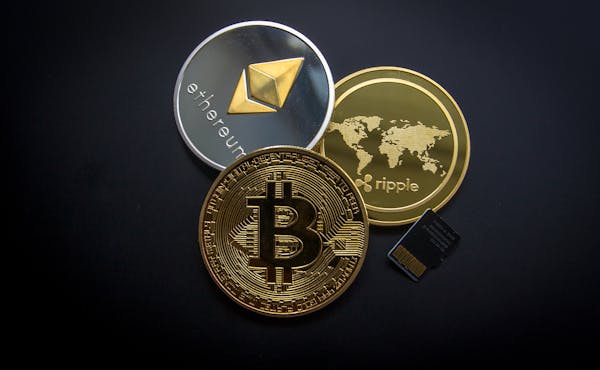
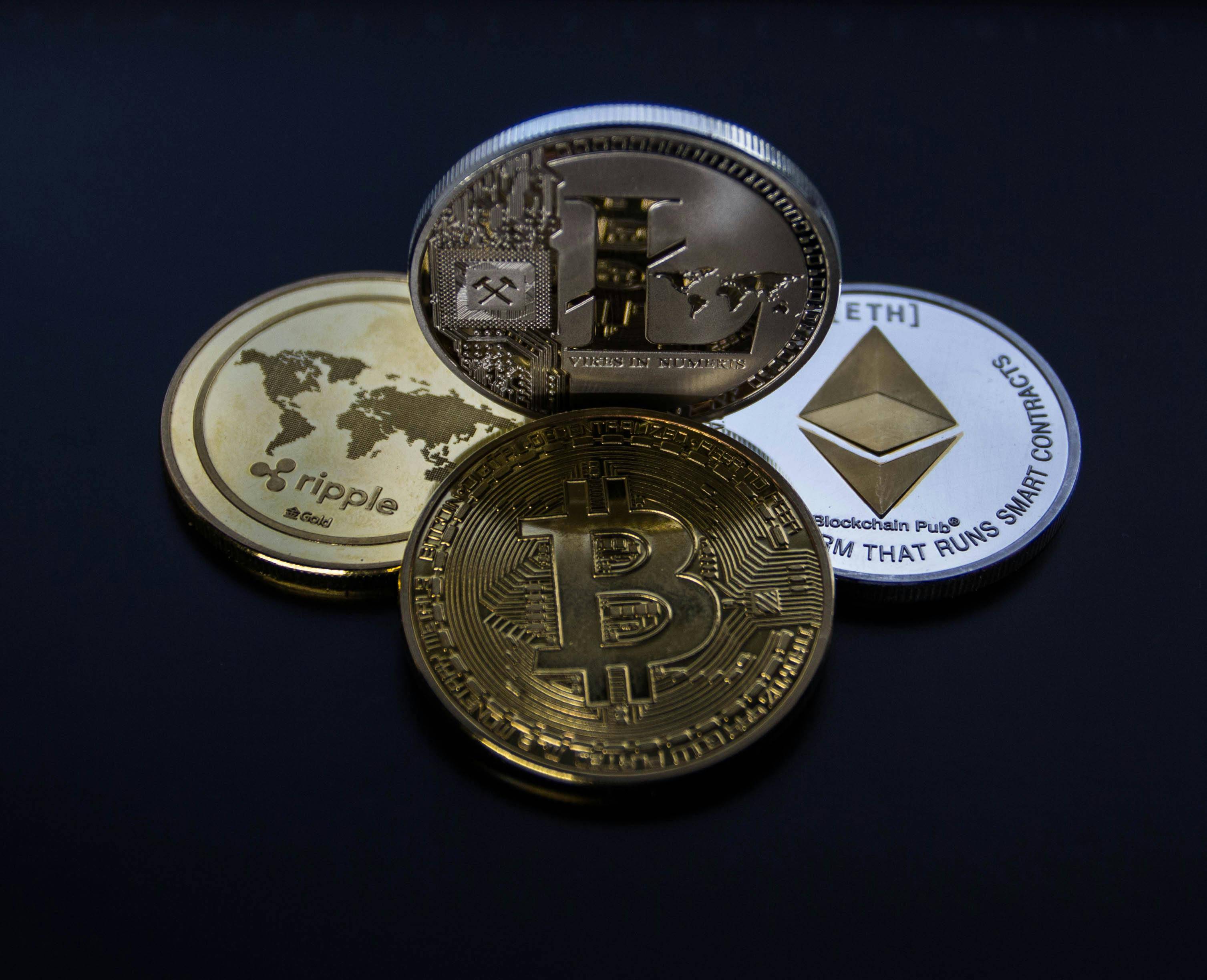
The first and most well-known cryptocurrency is Bitcoin, created in 2009 by an anonymous figure known as Satoshi Nakamoto. During the financial crisis, it was designed as an alternative to traditional money, with the goal of creating a peer-to-peer electronic cash system.
Since then, a whole ecosystem has emerged:
-
Ethereum introduced smart contracts—self-executing contracts with the terms written directly into code.
-
Litecoin, Ripple (XRP), and Cardano brought speed, lower fees, and other enhancements.
-
Memecoins like Dogecoin (yes, the Shiba Inu one) showed the viral power of community and social media.
Today, there are over 20,000 cryptocurrencies, each with its own use case and community.
💼 Real-World Applications
While some still view crypto as speculative or volatile, it’s increasingly being used in real-world scenarios:
-
Remittances: Sending money internationally with low fees.
-
Decentralized Finance (DeFi): Borrowing, lending, and earning interest without banks.
-
NFTs (Non-Fungible Tokens): Buying and selling digital art and collectibles.
-
Supply Chain Management: Ensuring transparency and traceability.
-
Gaming and Metaverse: Earning tokens while playing or building virtual economies.
Even major companies like Tesla, PayPal, and Visa are dipping their toes into crypto waters.
âš–ï¸ Risks and Challenges
As with any disruptive technology, crypto isn’t without its hurdles:
-
Volatility: Prices can skyrocket—or crash—overnight.
-
Regulation: Governments are scrambling to figure out how to regulate (or ban) crypto.
-
Scams and Hacks: Rug pulls, phishing, and exchange hacks are sadly common.
-
Environmental Concerns: Some cryptocurrencies (especially Bitcoin) use a lot of energy for mining.
Still, the industry is maturing. Regulatory clarity, innovation in eco-friendly systems, and better security are improving the space.
🔮 The Future of Cryptocurrency
So, is crypto the future of money? It’s hard to say for certain—but it’s definitely reshaping how we think about finance. Central Bank Digital Currencies (CBDCs) are being explored worldwide. Crypto is finding its way into pension funds, payment apps, and crowdfunding campaigns.
Whether you’re a skeptic, a curious observer, or a full-on crypto enthusiast, one thing’s for sure: we’re witnessing the dawn of a new financial era.
Final Thoughts
Crypto might not be for everyone right now—but understanding it could be as important in the 2020s as understanding the internet was in the 1990s. It’s more than just “digital goldâ€â€”it’s a movement redefining ownership, trust, and value in a digital world.
Are you ready for the ride?
Would you like me to turn this into a social media thread, add SEO keywords, or expand on a specific topic like NFTs, DeFi, or blockchain tech?