


WHO Urges Policy Shift as Drug Abuse Costs Nations 2% of GDP

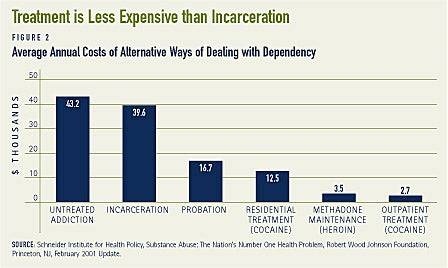
The World Health Organization (WHO) has called for a major shift in global drug policy after a new report revealed that drug abuse is costing nations up to 2% of their Gross Domestic Product (GDP) annually. The report, released on Wednesday, highlights the growing economic and social burden of drug addiction, urging governments to invest in prevention, treatment, and harm reduction rather than relying solely on punitive measures.

According to the WHO, the economic impact of drug abuse stems not only from healthcare costs but also from lost productivity, crime, law enforcement, and incarceration. In low- and middle-income countries, the effects are even more severe, where already-strained public systems are further weakened by the toll of addiction.

Dr. Tedros Adhanom Ghebreyesus, WHO Director-General, emphasized the need for a public health approach to drug control. “For too long, drug use has been treated as a criminal issue rather than a health challenge. We must shift from punishment to prevention, from stigma to support,†he said during a press briefing in Geneva.
The report also noted a concerning rise in the use of synthetic drugs, particularly opioids and methamphetamines, which are driving higher addiction rates and overdose deaths worldwide. WHO experts warned that without urgent reform, the human and economic costs would continue to escalate.

The agency recommended that countries prioritize early intervention programs, expand access to rehabilitation services, and decriminalize minor drug offenses. It also stressed the importance of international cooperation to disrupt trafficking networks and ensure access to safe, regulated treatments.

In response to the findings, several nations, including Canada, Portugal, and Ghana, have expressed interest in reviewing their current drug policies. Advocates argue that the evidence supports a shift toward more humane and cost-effective strategies.
The WHO concluded that addressing drug abuse as a health issue could save millions of lives and billions in public funds, while also strengthening communities and promoting global well-being.