


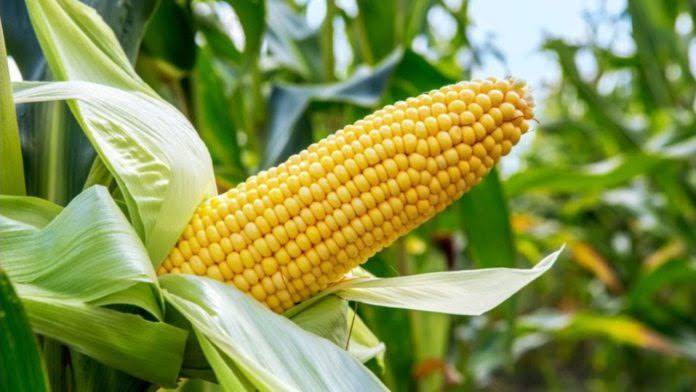
The Importance of Maize 🌽 in Our World

Maize, commonly known as corn, is one of the most widely grown and consumed crops across the globe. This golden grain is not only a staple food for millions of people but also plays a major role in feeding animals, fueling industries, and sustaining economies. From the small farms in Africa to the large plantations in America, maize continues to shape cultures, diets, and livelihoods in countless ways.
Origin and History
Maize originated in Central America thousands of years ago. It was first domesticated by the indigenous peoples of Mexico, who developed different varieties suited for food, rituals, and trade. When explorers from Europe arrived in the Americas, maize quickly spread to other continents, becoming one of the most successful crops in history. Today, it is cultivated in nearly every region of the world, from tropical lowlands to temperate plains.
Food Value
One of the biggest reasons maize is so important is its nutritional value. Maize is rich in carbohydrates, making it a strong source of energy. It also contains fiber, vitamins such as B and C, and minerals like magnesium and potassium. In many parts of Africa, maize is ground into flour to prepare staple foods like kenkey, banku, or ugali. In Latin America, tortillas and tamales are traditional dishes made from maize. In the United States and Europe, maize is eaten as sweet corn, breakfast cereals, and popcorn. This shows how versatile maize is in different cultures.
Animal Feed and Industry
Apart from feeding humans, maize is essential for raising livestock. The grain and its by-products are commonly used as feed for poultry, pigs, and cattle. This role in the animal industry supports meat, milk, and egg production globally. In addition, maize is processed into starch, corn syrup, cooking oil, and even biofuel like ethanol. Many everyday products, including soft drinks and snacks, are made possible because of maize.
Economic Importance
For farmers, maize is a source of income and financial security. It is a cash crop in many developing nations, where selling surplus harvests provides money for education, healthcare, and other needs. Countries such as the United States, China, Brazil, and Nigeria produce large amounts of maize, making it one of the most traded agricultural commodities. Rising demand ensures that maize continues to be valuable on the world market.
Cultural Significance
Beyond food and economics, maize has deep cultural meaning. In many African communities, it is a symbol of life and prosperity. Festivals often celebrate the maize harvest, showing gratitude for a successful farming season. In Native American traditions, maize is considered sacred and appears in myths, stories, and ceremonies. This connection highlights how maize is more than just a crop—it is a way of life.
Conclusion
Maize is truly a wonder crop. It feeds billions of people, supports industries, powers economies, and preserves cultural traditions. Its adaptability makes it suitable for different climates, and its uses continue to expand with modern technology. Whether enjoyed as roasted corn on the roadside, processed into flour for daily meals, or converted into renewable energy, maize remains one of the most important crops in human history. 🌽