



Article on Computer and Electronics
Computer and electronics are two important fields that have transformed the modern world. Today, almost every aspect of life depends on technology. From education and communication to business, health, and entertainment, computers and electronic devices play a vital role in making tasks easier, faster, and more accurate. Understanding these fields helps us appreciate how they shape our daily activities and future opportunities.
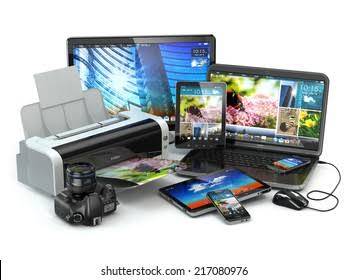
A computer is an electronic device designed to receive data, process it, store it, and produce output or information. Computers come in different sizes and types, including desktops, laptops, tablets, and smartphones. The basic components of a computer include the central processing unit (CPU), memory, storage devices, and input/output devices. The CPU acts as the brain of the computer, performing calculations and executing instructions. Memory helps the computer temporarily store data while working, and storage devices keep information for long-term use. Input devices like keyboards and mice allow users to send commands, while output devices such as monitors and printers display results.
Electronics, on the other hand, is a branch of science and engineering that deals with the study and use of electrical circuits, components, and devices. Common electronic components include resistors, capacitors, diodes, transistors, and integrated circuits. These components are used to design and build devices that control the flow of electric current. Electronics is responsible for the operation of gadgets such as televisions, radios, calculators, digital cameras, and mobile phones.
Computers and electronics are closely connected because computers depend heavily on electronic components to work. Inside every computer are millions or even billions of tiny electronic parts, especially transistors, which act as switches. These transistors are combined on microchips to create powerful processors that allow computers to perform complex operations at high speed. Without electronics, computers and modern digital devices would not exist.
The impact of computers and electronics on society is enormous. One major benefit is improved communication. The internet, which runs on computer networks, allows people to communicate instantly across long distances. Electronic devices such as smartphones and laptops make it possible to send emails, make video calls, and chat on social media platforms. This has made the world more connected than ever before.
Another important contribution is in education. Schools and students around the world rely on computers for research, online learning, digital textbooks, and educational videos. Teachers use projectors and smartboards—also electronic devices—to deliver lessons more effectively. This has created new opportunities for learning and made information easier to access.
Computers and electronics are also widely used in healthcare. Hospitals use electronic machines like X-ray scanners, ultrasound devices, and blood pressure monitors to diagnose and treat illnesses. Computer software helps doctors manage patient records and analyze medical data more accurately.
In business, computers help companies keep financial records, design products, communicate with customers, and run online shops. Electronic machines in industries help automate production, making work faster and reducing human error. ATMs, point-of-sale (POS) devices, and banking apps also rely on electronics and computers to serve customers efficiently.
Despite their many advantages, computers and electronics also come with challenges. One major issue is electronic waste, which can harm the environment if not disposed of properly. Another concern is cybersecurity threats such as hacking and online fraud. To stay safe, users must learn digital responsibility and protect their personal information.
In conclusion, computer and electronics are essential technologies that support modern living. They make work easier, connect people across the world, and improve many areas of life. As technology continues to advance, understanding these fields will become even more important for students and future professionals.


No comments yet
Be the first to share your thoughts!