



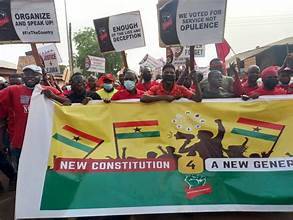
In Ghana, more and more people are calling for changes to the constitution. The country's main law, written in 1992, is seen by many as outdated. Groups like the Constitution Review Committee and civil society organizations say it's time to update it to fit today's needs. This push has gotten louder after recent events, like debates on presidential terms and power sharing.
The reforms focus on big issues. One is making the president's term longer, from four to five years, to give leaders more time to work. Another is separating powers better, so the president isn't too strong. There's also talk about giving more rights to regions or changing
 how elections work. Justice Emile Short, head of the review committee, said, "Our constitution needs to reflect modern Ghana. It's about fairness and progress."
President Nana Akufo-Addo supports some changes but wants to go slow. "We must be careful not to break what works," he warned. His party, the NPP, agrees, saying reforms could strengthen democracy. But opposition leader John Mahama from the NDC wants faster action. "The constitution has flaws that hurt ordinary people. We need bold steps," he said.
Experts back the calls. A professor from the University of Ghana explained, "The 1992 constitution was good for its time, but now we face new challenges like corruption and inequality." They suggest adding rules against corruption or giving more power to local governments.

Public support is growing. A teacher in Kumasi said, "Reforms could make voting fairer and stop power grabs." A farmer in the north added, "We need better checks on leaders." But some worry about delays. "Talks have gone on for years—when will it happen?" asked a student in Accra.

If reforms pass, they need Parliament's approval and maybe a public vote. This could take time, but it's seen as key for Ghana's future. As voices get louder, the debate shows how much Ghanaians care about their democracy. With unity, these changes could bring a better tomorrow.
No comments yet
Be the first to share your thoughts!