



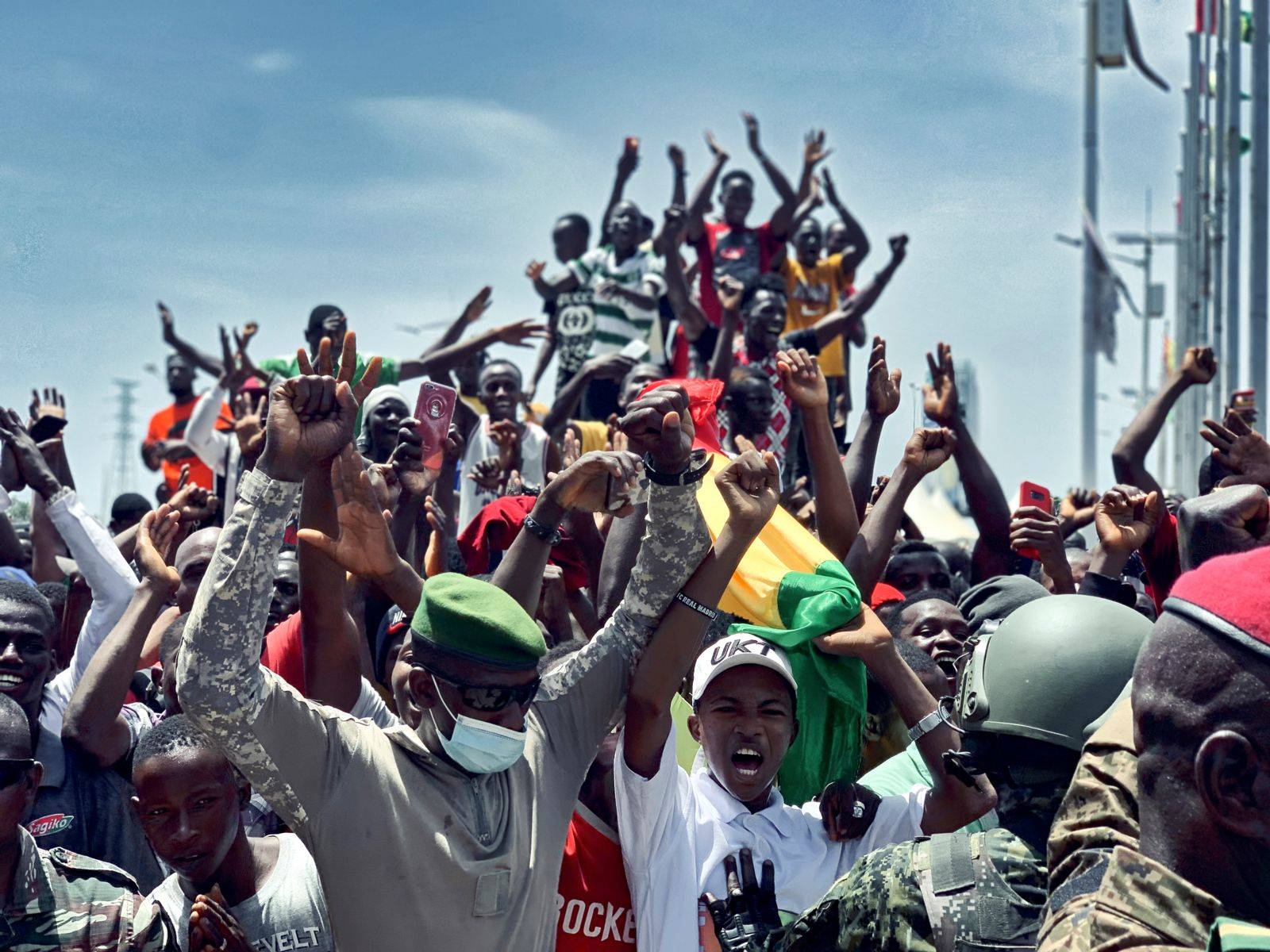
Youth activism in Ghana is growing fast, changing how politics works. Young people, frustrated with high unemployment, rising costs, and unequal chances, are using protests, online campaigns, and groups to speak out. This movement shows that the next generation wants a say in decisions that affect their lives.

Key groups like FixTheCountry, OccupyGhana, and the Ghana Youth for Change are leading the charge. They hold peaceful marches in cities like Accra, Kumasi, and Takoradi. For example, they protested against fuel price increases and demanded more jobs for graduates. A young activist from FixTheCountry explained, "We're tired of being ignored. Our leaders must create opportunities or face our voices."

President Nana Akufo-Addo sees the value in this energy. He started programs like "Beyond the Return" and "Youth Connect" to involve young people in governance. "Youth bring fresh ideas and energy. Politics needs their participation to stay relevant," he said. The ruling NPP has youth branches that offer training and roles in campaigns.
Opposition leader John Mahama supports the activism but calls for order. "It's good for democracy, but protests should stay peaceful to avoid chaos," he warned. Experts from the Ghana Center for Democratic Development agree. "Activism can push reforms, but it must be strategic to succeed," they noted.

Public opinion is mostly positive. A student in Accra said, "We march for free education and fair elections—it's our future at stake." A young farmer in the north added, "Politics should help us, not hold us back." However, challenges like lack of funding, political barriers, and sometimes violent clashes hold some back.
Overall, youth activism is reshaping Ghana's politics. It fights for inclusion, transparency, and progress. With more young leaders stepping up, the country could see real improvements. This wave of change brings hope for a more equal and vibrant democracy. This growing movement proves that empowered youth can transform Ghana's political landscape for the better.
No comments yet
Be the first to share your thoughts!