



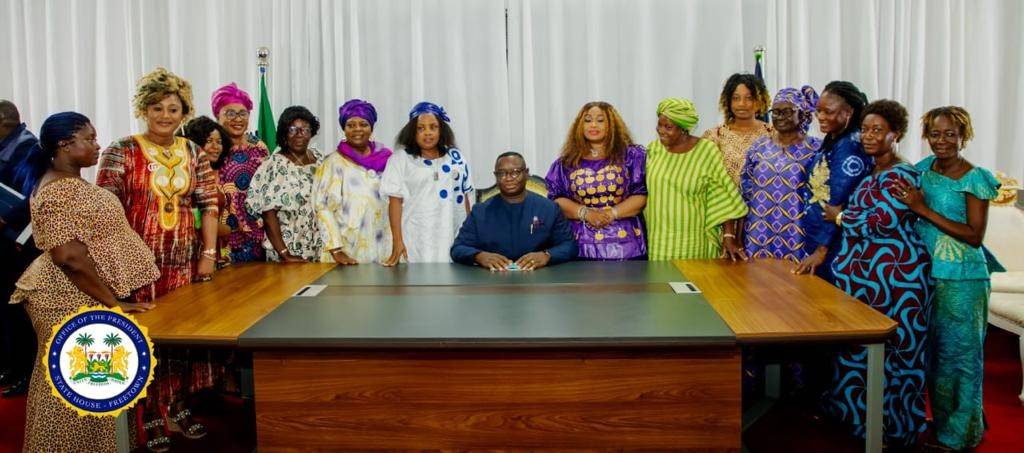
In Ghana, women's representation in governance has made some headway, but there's still a long way to go. Women make up about half of the country's population, yet they hold fewer positions in Parliament, government cabinets, and local councils. This imbalance means that laws and policies often overlook issues important to women, like maternal health, equal pay, and protection from violence. While there have been efforts through laws, campaigns, and education, barriers such as cultural beliefs, money problems, and political pushback continue to hold things back.

The Ghanaian constitution promises equal rights for everyone, no matter their gender. But in the 2020 elections, women won only around 14% of parliamentary seats—a small bump from before, but nowhere near equal. For context, Rwanda has 61% women in its legislature, showing what's possible. President Nana Akufo-Addo has helped by putting women in top jobs, with about 30% of his cabinet being female. Key names include Minister for Gender, Children and Social Protection, Cynthia Morrison, and Minister for Sanitation and Water Resources, Cecilia Abena Dapaah. The president has said, "Women add unique views and care to leadership. Including them makes decisions better for all."

Groups fighting for change are key players. The National Council on Women and Development (NCWD) and the Women's Manifesto Coalition push for equality. They back bills like the Affirmative Action Bill, which wants at least 30% of political spots reserved for women. This bill has been stuck in Parliament for years. Opposition leader John Mahama supports it, noting, "More women in power makes our democracy stronger and ensures policies help everyone."
Cultural and social issues are big obstacles. In many places, old traditions keep women out of public roles, seeing them only for home and family. Poverty makes it worse; women often miss out on schooling, campaign cash, or connections. A study by the Ghana Center for Democratic Development (CDD-Ghana) points out that female candidates face bullying, unfair media, and voter bias. Parties also tend to pick men more often.
Despite these hurdles, progress is happening. Programs like the Ministry of Gender's initiatives train women for leadership. International help, such as from the UN, boosts these efforts. Women like former Speaker of Parliament, Justice Joyce Bamford-Addo, show what can be achieved. She became the first female speaker in 2009, breaking barriers.

Public opinion is shifting too. A teacher in Accra said, "We need more women in charge— they understand our struggles." A farmer in the north added, "Policies should help women farmers too." But some men worry about "losing spots," showing resistance remains.
Looking ahead, experts say education and quotas could help. Countries like South Africa use quotas to boost numbers. Ghana could learn from that. With more women in power, governance could become fairer and more inclusive.
In the end, women's representation is about equality and better leadership. Ghana has started the journey, but real change needs everyone on board. As more women step up, the country's future looks brighter for all.
No comments yet
Be the first to share your thoughts!