


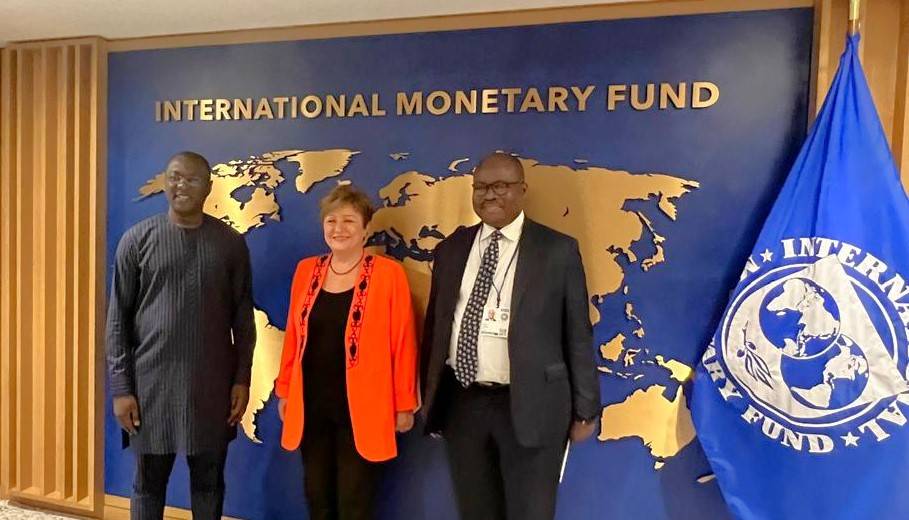
The International Monetary Fund (IMF) has officially approved a $385 million payout to Ghana, marking a significant milestone in the country’s journey toward economic stability. This disbursement is the latest installment of a larger $3 billion support program designed to help Ghana recover from a period of high debt, rising prices, and a weakening currency. The approval follows a rigorous review where IMF experts traveled to Ghana to check if the government was meeting its promises to fix the economy.

Why the Funds Were Released
The decision to release these funds was based on evidence that Ghana’s economic "health" is improving. For the first time in several years, inflation—the rate at which prices for food and fuel rise, has dropped into single digits. Additionally, the government has shown discipline in its spending, managing to record a budget surplus earlier this year. This means the country is finally earning more than it spends on its daily operations, a key requirement for long-term growth.

The Strings Attached: Accountability and Reform
While the $385 million provides immediate financial relief, it is not a gift without conditions. The IMF requires Ghana to implement "structural reforms," which are essentially changes to how the government manages money to prevent future crises. A major focus is on the energy sector, where the government is working to settle old debts with power companies and ensure that electricity bills actually cover the cost of producing power.
Furthermore, there is a strong emphasis on transparency and anti-corruption. To ensure that these international funds are used correctly, the government has committed to strengthening its "watchdog" institutions. This includes updating the national anti-corruption action plan and making it easier for the public to see how tax money is spent. These measures are designed to build trust with international investors and, more importantly, with the Ghanaian people.

Looking Ahead
This payout brings the total amount Ghana has received from the IMF since 2023 to nearly $2.8 billion. The money will be used to bolster the country’s foreign exchange reserves, which helps keep the Cedi stable against the Dollar. By stabilizing the currency and keeping inflation low, the government aims to create an environment where businesses can grow and create jobs for the youth.
The journey is not over, as the government must continue to meet targets through 2026. However, this latest approval signals that the international community believes Ghana is on the right track toward a more transparent and resilient economy.
IMF DEAL UPDATE This video provides a detailed breakdown of the specific conditions and targets Ghana must still meet following the approval of the $385 million disbursement.