


 OPEC+ is expected to maintain its pause in supply increases for the first quarter at its January 4 meeting, with Saudi Arabia and other key producers signaling caution. The International Energy Agency (IEA) forecasts a global oil surplus of about 3.8 million barrels per day in 2026, which is likely to continue limiting price gains and easing fuel costs for import dependent countries such as Ghana.
The United States Energy Information Administration (EIA) forecasts Brent crude oil prices averaging around 62 dollars per barrel in the fourth quarter of 2025, with further declines to approximately 52 dollars per barrel projected for the first half of 2026. Several major financial institutions project similar pricing ranges, with most expecting Brent to trade between 50 and 60 dollars per barrel throughout the year.
Global oil demand is forecast to increase by only 860,000 barrels per day in 2026, according to the IEA, a modest growth rate that fails to absorb the substantial supply increases from major producing nations. The sheer volume of oil currently in global storage acts as a sturdy buffer for importing countries like Ghana.
For households, the reductions could help ease post festive financial pressures, particularly those related to transport and cooking fuel costs. Businesses, especially transport operators, logistics firms, and manufacturers, also stand to benefit from lower operating expenses, with possible spillover effects on prices across parts of the economy.
For commercial drivers, locally known as trotro operators, the reduction is a vital reprieve. With fuel being a major operational cost, these marginal decreases help stabilize transport fares, which in turn curbs food price inflation.
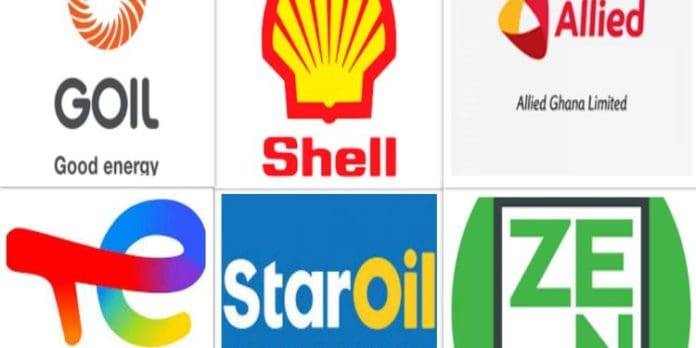
Several OMCs indicated they may implement additional price adjustments beyond the January 1 reductions if favorable conditions persist or strengthen further. This suggests the industry views current trends as potentially extending into early 2026 rather than representing a temporary phenomenon.
The January outlook builds on price cuts implemented during the second pricing window of December 2025, when major OMCs reduced prices following similar improvements in both global and domestic cost environments.
Ghana’s petroleum downstream sector operates under a deregulated framework where individual companies set their own pump prices based on landed costs, operational expenses, taxes, levies, and competitive positioning. This means pricing adjustments may vary across different retail outlets even as market trends point in a consistent direction.
Industry analysts suggest that if the cedi maintains its current trajectory and international crude prices remain below 80 dollars per barrel, Ghanaians could see even more substantial relief by the second pricing window in mid January.
Despite the positive outlook, fuel pricing remains sensitive to movements in the cedi and global oil market dynamics. Any renewed currency pressure or unexpected rebound in international oil prices could limit the scope for further cuts. However, if current trends hold, consumers may enter 2026 enjoying one of the most sustained periods of fuel price relief in recent years.
No comments yet
Be the first to share your thoughts!