



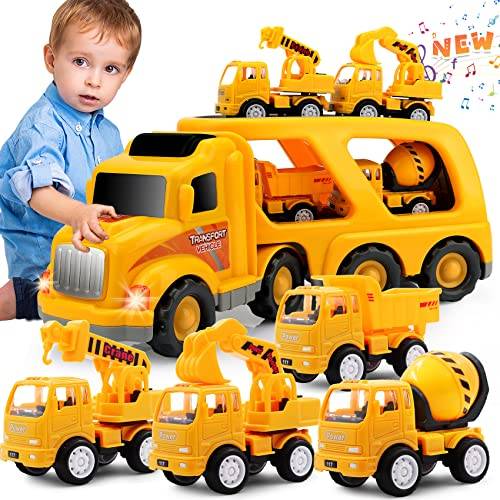
Toys have been an integral part of human culture and childhood development for centuries, serving as tools for entertainment, education, and socialization. From simple wooden blocks and clay figurines to complex electronic gadgets and interactive robots, toys have evolved significantly over time, reflecting changes in technology, societal values, and childhood experiences.

The primary function of toys is to provide enjoyment and stimulate imagination in children. Toys such as dolls, action figures, and playsets allow kids to engage in role-playing, exploring different scenarios and emotions, and developing essential life skills like empathy, communication, and problem-solving. Building toys like LEGO, KLEO, or magnetic tiles foster creativity, spatial awareness, and fine motor skills, while puzzles and brain teasers enhance cognitive abilities and critical thinking.

Beyond entertainment and education, toys play a significant role in shaping children's social and emotional development. Board games and card games, for instance, teach cooperation, sportsmanship, and good winning and losing habits. Outdoor toys like bicycles, balls, and skateboards promote physical activity, coordination, and teamwork. Moreover, toys can serve as emotional comfort objects, providing reassurance and solace during times of stress or uncertainty.

The toy industry has become a multibillion-dollar global market, with manufacturers continually innovating and adapting to changing consumer preferences and technological advancements. The rise of digital technologies has led to the development of sophisticated electronic toys, such as interactive dolls, coding robots, and virtual reality playsets. These modern toys often combine physical and digital elements, offering immersive experiences that blur the lines between play and learning.
However, concerns have been raised about the impact of excessive screen time and commercialization on children's play experiences. Some argue that overemphasis on electronic toys can lead to decreased creativity, social isolation, and decreased attention span. In response, many parents and educators are advocating for a balanced approach, encouraging children to engage in a mix of traditional and digital play, as well as outdoor activities and social interactions.
Ultimately, toys are more than just playthings – they are tools for growth, learning, and connection. By recognizing the value and potential of play, we can harness the power of toys to shape a healthier, happier, and more creative generation of children. By doing so, we can ensure that the toys of tomorrow will continue to inspire, educate, and bring joy to children around the world.
No comments yet
Be the first to share your thoughts!