



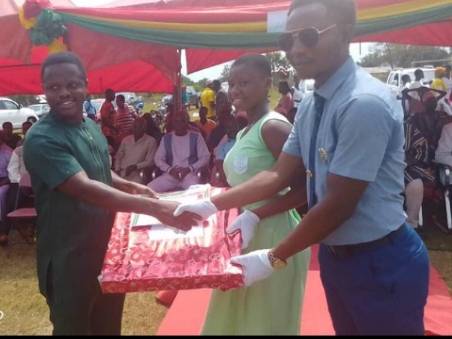
Nkoranza North DCE Highlights Ghana's Progress and Challenges on 69th Independence Anniversary. Ghana’s 69th Independence Anniversary (6 March 2026) comes with the theme “Building Prosperity, Restoring Hope.”
Hon. Effah Patrick, DCE of Nkoranza North, in the Bono East Region, has emphasized Ghana's remarkable progress in democratic governance, education, and healthcare as the country marks its 69th independence anniversary.
In a speech delivered at the independence celebrations, Hon. Effah Patrick highlighted the nation's achievements since independence in 1957, citing strengthening of democratic institutions, expansion of access to education and healthcare, and improvements in infrastructure and decentralization efforts.
Nearly seven decades of peaceful transfers of power and a robust multi-party system have given Ghana a reputation for democratic stability. In education, free senior high school policies and steady infrastructure drives have widened access though quality and labs still need upgrades. Healthcare gains show up in expanded primary care and health-insurance coverage, with life expectancy climbing, even as rural facilities and staffing gaps persist. Those three strands politics, schooling, health form a solid base for the economic deepening Ghana is now pursuing.
"The declaration at the Old Polo Grounds, Accra, marked the beginning of a new chapter not only for Ghana but for the entire African continent," Hon. Effah Patrick said, emphasizing the significance of Ghana's independence.
He stressed that building prosperity requires discipline, innovation, and hard work, and called on citizens to work together to grow a sustainable economy, distribute opportunities equitably, and improve governance.
Hon. Effah Patrick also commended the government's efforts to provide quality education, invest in STEM, technical, and vocational education, and digital literacy to prepare Ghana's youth for the global economy. STEM education matters because it builds skills and opportunities that reach far beyond the classroom.
Innovation and economic growth. A STEM-literate workforce drives new technologies, productivity and competitiveness.
Absolutely modern infrastructure changes the whole learning experience. Safer classrooms, reliable electricity, internet access, proper sanitation and labs let teachers move beyond chalk-and-talk and give kids hands-on, digital practice. In Ghana’s basic and secondary schools, upgrades like sturdy buildings, clean water, toilets, and even modest computer corners have been linked to better attendance and engagement. Without those basics, it’s hard for students to develop the STEM habits and problem-solving skills we just talked about. Investing there pays off for the whole community.
"We'll provide necessary infrastructure for basic and secondary schools," he added.
Acknowledging the challenges facing the nation, including economic difficulties, high unemployment, and infrastructure deficits, Hon. Effah Patrick expressed optimism that Ghana's spirit is unbreakable.
He urged Ghanaians to remain committed to the nation's development, saying, "Let's work together to build the Ghana we want."
The Nkoranza North DCE also highlighted President John Dramani Mahama's commitment to resetting the country on the path of meaningful prosperity through policies that benefit all citizens.
He emphasized the importance of transparency, inclusive governance, and fighting corruption in achieving this goal.
Hon. Effah Patrick's message was clear: unity and determination are key to unlocking Ghana's full potential and building a prosperous future for all.
See Images Below;


No comments yet
Be the first to share your thoughts!