



 Wars in the World: A Global Crisis in 2026
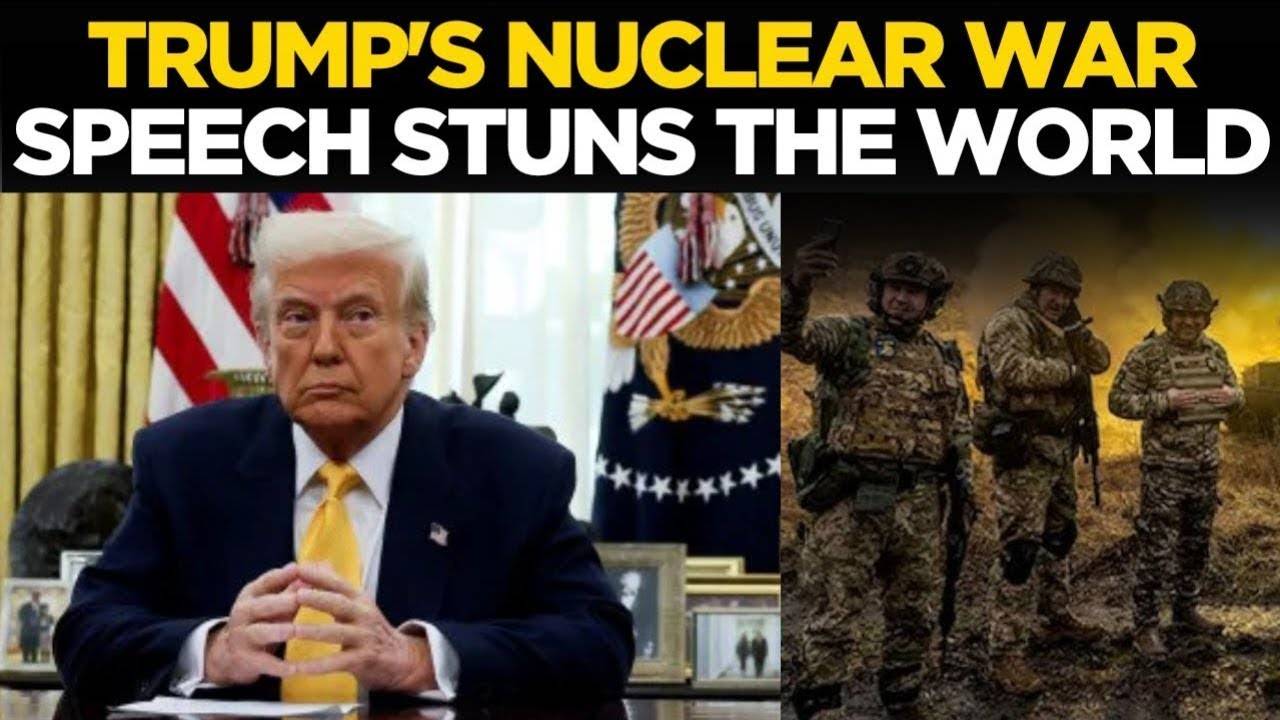
The world in 2026 is facing multiple ongoing conflicts that are shaping global politics, economies, and everyday life. Among the most significant is the war between Russia and Ukraine, which began in 2022 and continues to intensify. Despite several peace talks and international pressure, fighting remains active along the front lines. Recent reports indicate that Russia has captured additional settlements in eastern Ukraine while also launching large-scale drone and missile attacks on major cities, including Kyiv.
The human impact of this war is severe. In cities like Kharkiv, thousands of children are now forced to study underground in subway stations to stay safe from ongoing attacks. This highlights the devastating effect of the conflict on civilians, especially young people whose education and daily lives have been disrupted. Even after years of fighting, neither side has achieved a decisive victory, making the war one of attrition with heavy losses on both sides.
At the same time, tensions in the Middle East have escalated into a broader conflict involving Iran, the United States, and Israel. This war has led to significant military strikes, including attacks on key Iranian military sites. In response, Iran has launched missile and drone attacks targeting U.S. and Israeli positions.
One of the most serious consequences of this conflict is the disruption of global oil supply. The Strait of Hormuz, a critical shipping route for about 20% of the world’s oil, has seen major attacks on ships and a dramatic drop in traffic. This has caused oil prices to surge and raised fears of a global energy crisis.
In addition, violence continues in Gaza Strip, where ongoing airstrikes have resulted in civilian casualties and increased tension in the region. A recent strike reportedly killed several people, including a child, showing how fragile ceasefire efforts remain.
Overall, the current wars reflect a world facing serious instability. These conflicts are not only military battles but also economic and humanitarian crises affecting millions of people. Rising energy prices, disrupted trade, and widespread suffering highlight the urgent need for global cooperation and peaceful solutions. As leaders continue negotiations, the hope remains that diplomacy can eventually replace violence and bring long-term stability to affected regions.
No comments yet
Be the first to share your thoughts!