



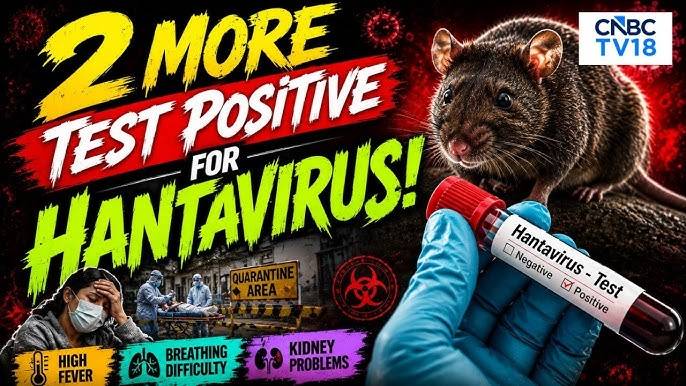
Hantavirus Outbreak and Quarantine

A luxury cruise that was expected to provide passengers with a peaceful vacation instead became the focus of international health concerns after reports emerged of a possible Andes virus outbreak onboard. The incident led to a quarantine operation in Nebraska as health officials moved quickly to prevent any potential spread of the disease.
The Andes virus is a rare type of hantavirus most commonly found in parts of South America. It is usually spread through contact with infected rodents or contaminated materials such as droppings, saliva, and urine. What makes the Andes strain particularly concerning is that, unlike many other hantaviruses, researchers have previously found evidence suggesting limited human-to-human transmission.
According to reports, several passengers aboard the cruise ship began experiencing flu-like symptoms during the journey. Medical personnel onboard noticed signs consistent with hantavirus infection, including fever, headaches, fatigue, and muscle pain. In more severe cases, the illness can develop into serious respiratory complications that may require emergency medical treatment.
When the cruise ship reached port, health authorities immediately launched an investigation to identify passengers and crew members who may have been exposed. Some travelers connected to the voyage later entered different parts of the United States, including Nebraska, where precautionary quarantine measures were introduced. Officials isolated a group of individuals while medical evaluations and laboratory testing were carried out.

Health authorities stressed that the quarantine was implemented as a preventive step rather than confirmation of a widespread outbreak. Medical teams closely monitored those involved for symptoms while experts worked to determine whether the suspected infections were truly linked to the Andes virus. Officials also reassured the public that the risk of community transmission remained low.
The situation quickly gained attention because cruise ships can create conditions where illnesses spread more easily due to the close interaction among large numbers of passengers and staff. Public health experts noted that rapid response measures, including isolation and contact tracing, are essential when dealing with rare infectious diseases.
The incident also renewed conversations about global travel safety and the importance of disease surveillance in international tourism. Experts encouraged travelers to stay informed about regional health risks before visiting areas where uncommon viruses may exist.
While investigations into the suspected outbreak continued, the Nebraska quarantine demonstrated how health agencies coordinate quickly during potential health emergencies. The event highlighted the importance of preparedness, fast communication, and careful monitoring in preventing possible outbreaks from becoming larger public health threats.
No comments yet
Be the first to share your thoughts!