


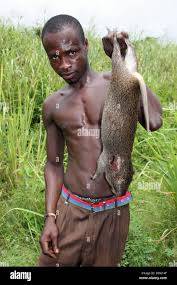
Why the United States Warns Ghanaians Against Carrying ‘Akrantie’ and Other Bushmeat into America.
For many Ghanaians living abroad, food is one of the strongest links to home. Traditional delicacies such as akrantie (grasscutter), antelope, and other forms of bushmeat are cherished because they remind people of their culture, family gatherings, and local traditions. It is therefore common for some travelers to want to carry these foods when visiting relatives or returning to the United States. However, American authorities have consistently warned travelers against bringing bushmeat into the country. The warning is based on important health, environmental, and economic concerns.
One major reason for the restriction is the risk of disease transmission. Wild animals can carry viruses, bacteria, and parasites that may be harmful to humans and other animals. Even when bushmeat is smoked or dried, there is no guarantee that all disease-causing organisms have been eliminated. Health experts around the world have long linked some infectious diseases to contact with wild animals. Because international travel allows people and goods to move quickly across borders, governments are becoming more cautious about products that could introduce new diseases into their countries.
The United States also seeks to protect its agricultural sector. Agriculture is a key part of the American economy, employing millions of people and supplying food to the population. If a disease carried by bushmeat were introduced into the country, it could affect livestock such as cattle, pigs, sheep, and goats. An outbreak among farm animals could result in huge financial losses, disruptions in food production, and costly efforts to control the disease. Preventing such risks is one reason why strict import regulations are in place.
Another concern is wildlife conservation. Across the world, many wild animal species are under pressure due to hunting, habitat loss, and illegal trade. Although grasscutter is commonly consumed in Ghana and is not considered endangered, customs officials cannot always determine the exact type or source of meat being brought into the country.  Some bushmeat products may come from protected species, making enforcement difficult. To reduce the risk of illegal wildlife trade, American authorities maintain strict controls on the importation of meat from wild animals.
Many travelers are surprised when bushmeat is seized at airports. However, customs officials are required to enforce regulations that apply to all visitors and residents entering the country. Travelers who fail to declare prohibited food items may have the products confiscated and could face fines or other penalties. These measures are intended to encourage compliance and protect public safety.
For many Ghanaians, carrying bushmeat is not done with harmful intentions. Often, it is simply an attempt to share a favorite meal with loved ones or preserve a connection to home. Nevertheless, authorities argue that personal intentions do not eliminate potential risks. Since it is difficult to verify how bushmeat was hunted, processed, stored, and transported, officials prefer to prevent its entry altogether rather than risk introducing diseases or violating wildlife protection laws.
The warning against carrying akrantie and other bushmeat into America should not be viewed as an attack on Ghanaian culture or traditions. Instead, it reflects broader efforts to protect public health, agriculture, and wildlife. Similar restrictions exist in many countries around the world for the same reasons.
In conclusion, while bushmeat remains an important part of Ghanaian cuisine and heritage, travelers must understand that different countries have different regulations regarding food imports. Respecting these rules helps prevent health risks, supports wildlife conservation, and ensures smoother travel experiences. By being aware of the reasons behind the restrictions, Ghanaians can make informed decisions and avoid unnecessary problems when entering the United States.
No comments yet
Be the first to share your thoughts!