



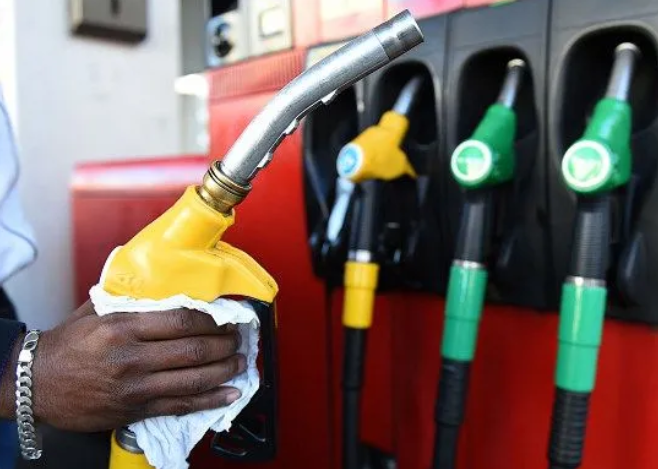
Petrol prices at the pump have fallen to GH¢13.87 per liter at select Oil Marketing Companies across Ghana, MyJoyOnline reported on June 16, 2026, in a development that offers modest but welcome relief to motorists and transport operators who have navigated elevated fuel costs for much of the past three years.
The reduction brings pump prices closer to levels that transport operators and ordinary drivers have been calling for since the government announced its fuel subsidy intervention earlier this month, absorbing GH¢2.00 per liter on diesel and GH¢0.36 per liter on petrol, as reported by Modern Ghana. Not all Oil Marketing Companies have passed on the full reduction simultaneously - the GH¢13.87 figure reflects the more competitive end of the current market range, with other operators still adjusting their pricing in response to the combined effect of the government subsidy and movements in the international crude oil market.

The National Petroleum Authority, which regulates fuel pricing and OMC operations in Ghana, operates a price build-up formula that incorporates the ex-refinery price, margins, levies, and taxes to arrive at the maximum pump price for each pricing window. Changes in the international price of crude oil, shipping costs, exchange rate movements, and government policy interventions all feed into this formula, meaning that fuel prices in Ghana respond to both domestic policy decisions and global commodity market conditions.
The fall in petrol prices has immediate practical implications for transport fares. The Ghana Road Transport Coordinating Council and Ghana Private Road Transport Union - the main bodies representing commercial vehicle operators - typically revise fares in response to fuel price changes. A reduction at the pump creates pressure and expectation for corresponding fare reductions on urban and inter-city routes, though transport unions have noted that other operational costs including spare parts, vehicle insurance, and road tolls have not fallen commensurately.
Finance Minister Cassiel Ato Forson told Parliament earlier this year that maintaining affordable fuel prices is part of the government's cost-of-living management strategy, while the IMF has cautioned that untargeted fuel subsidies carry fiscal sustainability risks in a post-programme environment.
Sources: MyJoyOnline, Modern Ghana, National Petroleum Authority, Ghana Road Transport Coordinating Council, Finance Ministry Ghana, IMF Ghana Consultation Report
No comments yet
Be the first to share your thoughts!