


CHIKUNGUNYA SYMPTOMS AND CURE
Most of us suffer from joint pains at some point in time, but if you are suffering from intense joint pain which does not let you move, beware this may be Chikungunya. It can catch the throat of people of any age. Normal joint pains occur when joints get weak, but it is a viral disease. As the name suggests, the disease is spread by a virus. Being a viral disease, it easily spreads from one person to another. Let's know more about the Chikungunya virus.
Chikungunya virus is a member of the Togaviridae family. This virus was first found in the blood of a feverish patient in 1953 in Tanzania, and since then it has been identified continually in central, west, and southern Africa. It is also identified in most areas of Asia and has been referred to as the main cause of several human outbreaks in all those areas ever since that time.
Symptoms of Chikungunya are quite prominent. Being aware of these symptoms may help you to cure this problem and prevent it from getting worse.
Symptoms of Chikungunya:
Common symptoms include high fever, joint pain (debilitating arthralgia), inflammation of joints, firmness, muscular pain (myalgia), headache, weakness, fatigue, nausea, rashes on the skin, and vomiting. It does'nt becomes severe instantly. The incubation period of the disease is 3-7 days. It shows milder symptoms in the beginning but in 3-7 days, the infection develops into an illness.
Severe fever normally lasts about a few days to a couple of weeks, but few patients show prolonged weakness lasting a number of weeks. Moreover, some victims have also reported unbearable joint pain or muscle pain that might last for a few weeks or even months. This prolonged joint pain allied with Chikungunya virus is not as typical as dengue. Co circulation of the dengue fever in most areas may also mean that CHIKV fever cases are a few times misdiagnosed clinically as dengue virus infections. Chikungunya does not cause any hemorrhagic cases or neuwo-invasive cases. Whether it is clinical or silent CHIKV infection is considered to confer life-long immunity.
Transmission of Chikungunya Virus:
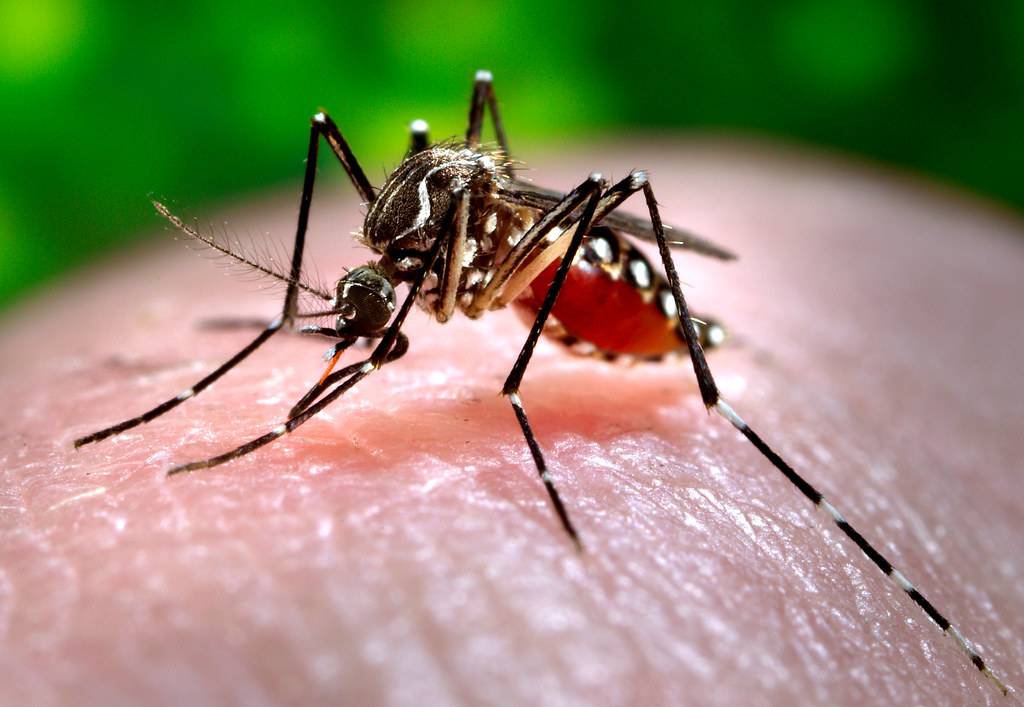
CHIKV spreads generally if an infected mosquito bites a person. In a cycle, mosquitoes become infected by CHIKV when they feed off an infected person infected with CHIKV. Monkeys, or possibly a few other wild animals, also may serve as a reservoir of this virus.
Infected mosquitoes in turn can spread this virus to other people when they are bitten. Aedes Aegypti (a yellow fever mosquito), the household breeder container and an aggressive biter in the daytime that is attracted to the human body, is the main vector of Chikungunya virus to humans. Aedes albopictus (an Asian tiger mosquito) also play a role in the transmission of the virus. Various other forest-dwelling mosquito genuses in the African region are found infected with this virus.
Treatment and Cure:
There is no specific treatment in conventional medicine but we have curative, effective, and preventive treatment in homeopathy. In the conventional medicine system, there is no vaccination or any particular antiviral treatment for treating Chikv fever. The treatment is symptomatic-like rest, fluids, and pain killers might ease symptoms of pain and fever. However, Homeopathy has quite an effective cure for this illness. Even prevention can be done by administering the Homeopathic "Genus Epidemicus".
These Homeopathic medicines are more effective for the early stage of -Chikungunya or complaints like stiffness in joints, weakness, muscles pain, etc. Virus-infected persons must be protected from more mosquito exposure so that they do not contribute to the virus transmission cycle.
Prevention from Chikungunya:
One of the best ways to avoid virus infection is to prevent mosquito bites. Make use of insect repellent available on the market for exposed skin. Try to wear long sleeves and trousers. Have safe screens on doors and windows to avoid mosquitoes to enter in. Keep the surroundings clean as much as possible. Do not store water for prolonged periods like in flower pots, buckets or barrels, etc. Avoid contact with sufferers of these diseases.
In addition, an individual with this infection must limit the exposure to further mosquito bites in order to prevent additional spreading of the virus infection.