



HOW TO BOOST PROGESTERONE NATURALLY.
Progesterone is a hormone in both men and women. It plays a greater role for women, though, as it’s related to menopause, pregnancy, and overall health. You may be interested in increasing your progesterone levels if you’re a woman looking to get pregnant. Low progesterone levels can cause:
**Infertility or miscarriages
**Uterine bleeding or irregular periods and spotting
sex drive
**Weight gain
FOODS THAT INCREASE YOUR PROGESTERONE LEVEL
There are 4 ways to naturally increase your progesterone levels:
In the following sections, we will dig deep into each one of these.
It’s incredible how much we individually benefit when we improve what we put in our body. Although no food actually contains progesterone, by eating a diet rich in certain minerals and nutrients, you can help your body produce a sufficient and optimal amount of progesterone for better physiological function.
Magnesium-Rich Foods
In developed countries, it is reported that 25-30% of women are living with a magnesium deficiency. Women over the age of 19 should be getting at least 320mg of magnesium per day, with those amounts increasing as you age. Magnesium helps your body absorb and metabolize calcium and vitamin D.
A poorly functioning pituitary gland won’t produce enough follicle-stimulating hormone (FSH), luteinizing (LH), or thyroid-stimulating (TSH) hormones to ensure healthy ovulation, without ovulation, your body will likely produce less progesterone than is normal.
Food You Can Try
**Dark Chocolate
You can have chocolate and improve your magnesium levels! You can get 64 milligrams within a single 1oz serving. Make sure it’s real dark chocolate and not something with needlessly added sugar or other sweeteners. It also provides you with a nice dose of antioxidants to help you fight off disease.
**Nuts
Almonds, brazil nuts, and cashews are particularly good sources of magnesium at around 82mg per ounce. Eat them as a snack or add them to your smoothies or salads for a healthy boost. Nuts are also a great source of fiber.
**Tofu
The idea of eating tofu may not be that appealing if you’re into a vegetarian or vegan lifestyle. Try focusing on the 53mg of magnesium you gain from consuming in 3.5 ounces of it. You also get 10 grams of protein in this serving size along with 10% of the iron, calcium, selenium, and manganese needed by your body each day.
**Avocados
You don’t need to serve it on a slice of toast to benefit from the 58 mg of magnesium gained from one medium avocado. They’re also a good way of getting a nice dose of B vitamins, potassium, and monounsaturated fats helpful to the heart.
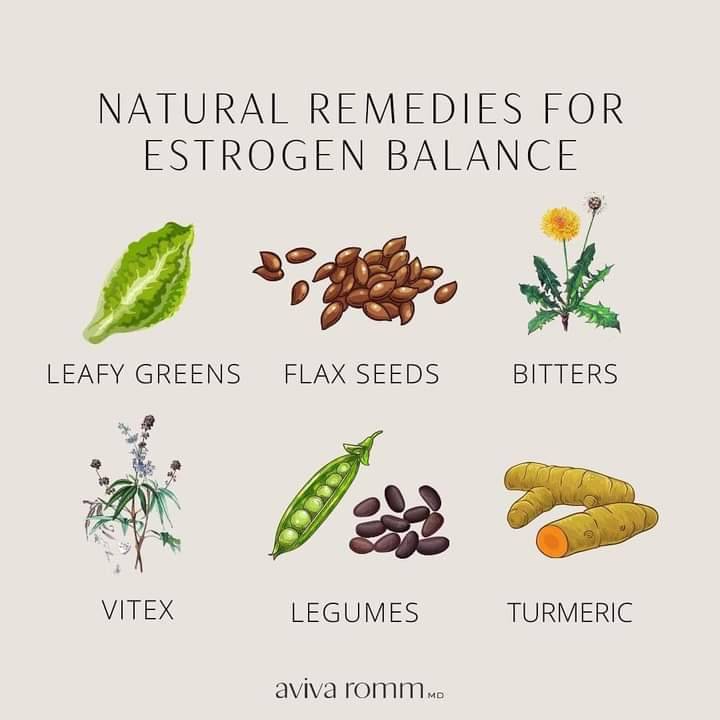
**Legumes
This covers a variety of plant-based foods, from lentils to peas to your favourite beans. Serve them in soup or include them as a side with your lunch or dinner. It’s possible to get 120mg of magnesium from one serving of steamed black beans.
**Vitamin B6 Foods
Vitamin B6 also plays a role in keeping your body’s hormones regulated. One research study showed that increasing the amount of B6 vitamins taken each day to around 200-800 mg per day can raise progesterone levels and reduce estrogen enough to improve symptoms of PMS. Other research shows the potential to increase fertility by up to 120% and reduce miscarriage rates by around 50%.
The National Institute of Health (NIH) recommends women from 19 to 50 take in at least 1.3 mg per day if they’re not pregnant. That minimum increases to 1.5 mg for women 51 and older.
Foods such as
Fish (Salmon): Six ounces of salmon provides you with 1.6 mg of Vitamin B6, 94% of the amount recommended each day. Other fish high in concentrations of B6 include tuna, snapper, and mahi-mahi.
**Eggs
It doesn’t matter if you boil them, scramble them, or have them over easy. You can take in 10% of the Vitamin B6 needed each day when you have two of them at any meal.
**Sweet potatoes
Substitute one of these for the white variety and provide yourself with 15% of the B6 you need.
**Milk
Drinking milk is an easy way of keeping progesterone levels up by giving you 5mg of Vitamin B6 per glass. You can put it in your tea, coffee, or mix it in a smoothie if you’re not keen on drinking it straight out of a glass.
**Carrots
Try crunching on these as a snack instead of something high in sugar and calories. You get as much as you would from drinking a glass of milk no matter how you prepare them.
Other suggestions: Bananas, lean beef, and ricotta cheese.
Zinc-Rich Foods
**Zinc
It’s recommended that women over 19 get at least 8mg per day, with those amounts increasing if you’re pregnant or currently lactating. You need to eat foods containing zinc each day since your body doesn’t store it for later use.
Foods such as:
Shellfish
Oysters are one of the best sources of zinc. Six oysters of medium size provide you with 32mg, which amounts to a whopping 290% of the amount needed by the body each day. Shrimp, crab, and muscles are also good sources, giving you around 14% of what you need per 100 grams consumed.
**Seeds
Eating a handful of your favourite pumpkin, squash, or sesame seeds are an excellent way to get a daily zinc boost. They also provide you with a good dose of fibre and healthy fats.
**Whole grains
The presence of the antinutrient phytate can prevent you from absorbing as much zinc as you could from whole grains. But it’s worth adding them to your diet since they contain other vital nutrients like magnesium which also boost progesterone levels.
**Vegetables
Try combining the B6 boost received from eggs into a morning omelette containing zinc-rich mushrooms to get the benefit of both minerals. Other vegetables you can add to your diet include peas, potatoes, and green beans.
**Low-fat yoghurt
This is another great food option to incorporate into your diet.
No comments yet
Be the first to share your thoughts!