


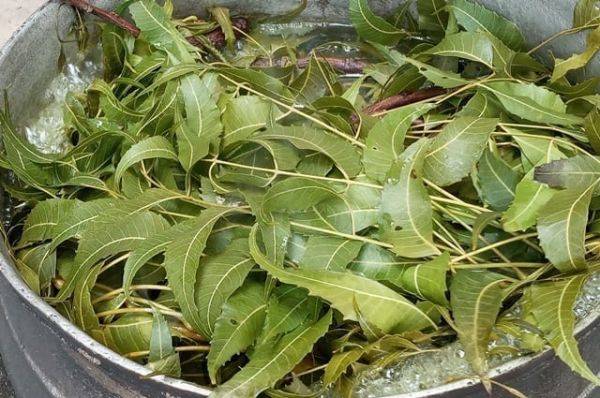
Following the onset of the COVID-19 pandemic, it drew media attention due to claims that it may enhance the immune system and help fight the virus.
Until then, nothing was known about this precious plant that may be found in practically every corner of the globe.
The neem tree, Azadirachta Indica in botanical terms, is a prominent old medicinal plant that has been used in traditional medicines for about 2,000 years.
It is known as the miracle tree in many areas of the world because of its numerous advantages.
Origin
According to conservationists, East Indian immigrants brought the tree to East Africa in the 19th century primarily for its medical virtues.
Ghana, Mauritania, Senegal, Gambia, Guinea, Ivory Coast, Burkina Faso, Mali, Benin, Niger, Nigeria, Togo, Cameroon, Chad, Ethiopia, Sudan, Somalia, Kenya, Tanzania, and Mozambique are among the countries where it is currently commonly grown.
It thrives in every habitat, despite its widely increased size.
The neem tree is a robust plant that can withstand temperatures of up to 120°C.
However, if the temperature drops below 35 degrees Celsius for a lengthy period of time, the tree will lose its leaves. It can't handle cooler temperatures, wetter climes, or lengthy periods of drought.
Fresh neem tree seeds, on the other hand, may be cultivated inside in a pot filled with high-quality, well-drained potting soil.
Medicinal properties
Traditional people believed that all components of the tree may be used to treat a variety of diseases. The seeds can be used to extract oil, which can be used as a natural insect repellent and is commonly found in shampoo, soap, lotion, and other skincare products.
In addition, the oil works well as a fungicide against powdery mildew, black spot, and sooty mould.
Although the plant's bark isn't extensively utilized, it contains anti-inflammatory and antibacterial characteristics, making it beneficial as a mouthwash for gum disease treatment. Traditionally, Indians chewed the twigs, which doubled as toothbrushes. Glue is usually made from sticky bark resin.
Neem leaves are also antibacterial, making them useful for treating infections and burns.
The leaves kill microorganisms that cause illnesses, boost the immune system, and speed up the healing process.
People commonly boil part of the leaves and drink the water, while others squeeze the water from the leaves with their palms and add it to water to take a bath.
Others boil the leaves, pour the boiling water into a pail, and inhale the vapor while wearing a cover over their heads.
Its blossoms are prized for their fragrant perfume, which attracts honeybees.
Potency
Following the COVID-19 pandemic, Kojo Odum Eduful, President of the Traditional Medicines Practitioners Association, advocated inhaling steam from boiling neem leaves as an effective treatment for COVID-19 symptoms.
"I can attest for it since neem leaves can cure a variety of fevers; if the virus enters by the nose and attempts to enter your lungs, and it can't handle high temperatures, I recommend boiling the leaves to a temperature of 100 degrees Celsius.
"I can attest for it," says the author "he said