


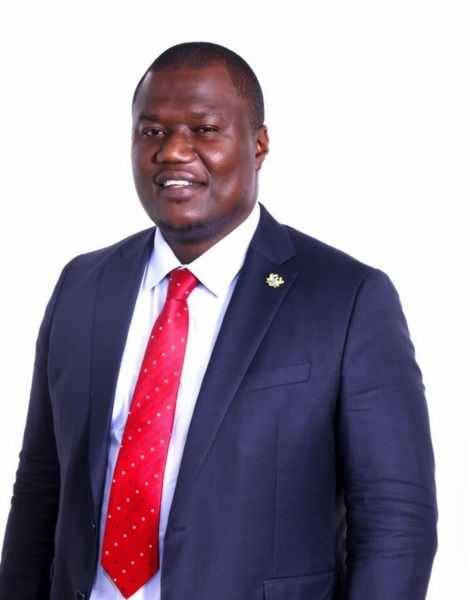
Dr Nana Ayew Afriyie, Chairman of the Parliamentary Select Committee on Health, has encouraged politicians and powerful persons in society to stay out of the Medical and Dental Council Ghana's activities in enforcing best practices among practitioners and dealing with unethical physicians.
Politicians should not interfere with the system set in place to establish robust regulatory procedures, he added, if a doctor's attitude violated the laws and regulations regulating the profession.
Dr. Afriyie addressed this during a working visit to the Council by members of the Parliamentary Select Committee on Health as part of a three-week tour of health-related entities.
Visit
Other organizations The Food and Drug Administration and the National Health Insurance Authority are among the agencies that the Select Committee plans to visit.
Dr. Afriyie said it came up during discussions that some of the challenges the council was facing had to do with quark doctors and interference from politicians, family members, and influential people. The meeting was held behind closed doors, and after briefing journalists later, Dr. Afriyie said it came up during discussions that some of the challenges the council was facing had to do with quark doctors and interference from politicians, family members, and influential people.
There were a lot of miscreants on quark physicians, he added, whose behaviors and methods were harmful to public health, adding that "we confront budgetary limits in dealing with this problem."
In light of this, he stated that the Council's continual capping was not in the public's or good practice's best interests. He stated that the Council needs all resources available to carry out its job, and that the committee will take up the matter of capping up as a private member resolution on Parliament's floor.
The council is supposed to give 34% of whatever revenue it generates to the president, and this is the ceiling.
Capping is a severe matter.
Ranking Member on Health Kwabena Mintah Akandoh, who contributed to the discussion, described the capping problem as a serious one, stating that it did not make sense for the government to take money from institutions that it should be investing in.
"The health-care system is so delicate that any inefficiency might result in lives being lost." "If there's one thing the government should be concerned about, it's the health industry," he added.
He said the committee's attention had been directed to the fact that the Legislative Instrument on which the Council was now working needed to be amended, and he urged the sector ministry to raise the issue in Parliament so that the committee could act quickly.
Prof. Paul Kwame Nyame, Chairman of the Medical and Dental Council, praised the committee for its visit, stating that it was the first of its type by the Select Committee to the Council.