


EMMANUEL OWUSU CAUTIONS GOV'T: REMOVE SOME PETROLEUM TAXES AND LEVIES TO AVOID HIKING INFLATION RATE
The Central Bank has steadily raised interest rates over the previous five months, from 14.5 percent to 19 percent, in an effort to control the rising inflation rate. After two successive rate increases this year, the May 2022 rate (19%) brought borrowing prices to their highest level since February 2018. Recall that the government statistician, Professor Kobina Annim, recently reported that the country will see its highest inflation rate in 18 years in May 2022, at 27.6 percent. Ghana's inflation rate of 23.9 percent in April 2022 was greater than that of certain other African nations, such as Nigeria (16.82%), Senegal (7%), Kenya (6.47%), Uganda (4.9%), Ivory Coast (4%) and South Africa (3.9 percent ).
The intended outcomes of the policy of utilising interest rates as an inflation control instrument have not been achieved. The problem is that, as opposed to anticipating inflation, the Central Bank raises the inflation rate based on documented inflation, or previous price fluctuations. This strategy has a net impact of importing previous tendencies into the future. The other impact is that only the banking industry profits from high interest rates. For instance, 19 of the 23 Ghanaian banks that have published their financial accounts this year have generated a profit, with average rates of profit coming from interest income on investments and loans of 75% and 25%, respectively. This shows that most banks are not leading significantly.
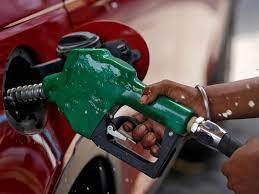
The government need to think about doing away with some of the levies and taxes on petroleum products, which are largely to blame for the rise in transportation costs. Transportation costs reached 39.0 percent, the greatest indication of the 27.6 percent May inflation rate, according to Government Statistician Professor Kobina Annim. examining the import price, foreign exchange, taxes, and margins as the three main determinants of petroleum product pricing in Ghana. About 40% of the ex-pump gasoline price is often made up of fuel taxes and profits, which is a very high percentage. This indicates unequivocally that the high inflation rate in Ghana is mostly caused by gasoline taxes and profits.
The government has to take action to get rid of several taxes and levies on petroleum products, such the long-misapplied price stabilisation and recovery levy and the sanitation and pollution levy. As the National Petroleum Authority and Bulk Oil Distributors (BDCs) will have more financial flexibility in the regulating petroleum pricing regime, the abolition of these petroleum taxes would assist to stabilise the market's periodic spikes in gasoline costs.