


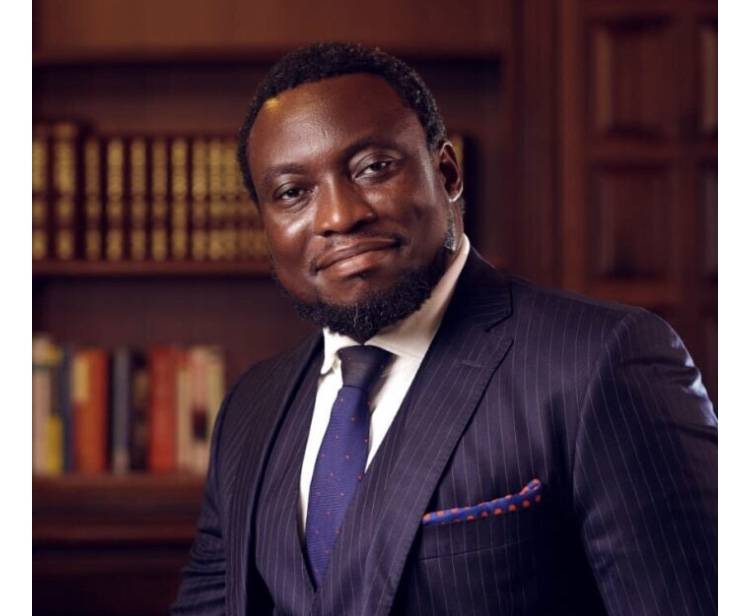
While the government has resisted the temptation of seeking an International Monetary Fund (IMF) bailout, it remains the most viable option for restoring discipline says Dr. Sam Ankrah, President of Africa Investment Group.
The country’s last program, an Extended Credit Facility with the Bretton Woods institution, ended on April 2, 2019, and so much has changed since then – with debt to GDP projected to end this year at 84.5 percent. The program resulted in significant macroeconomic gains with rising growth, but four years down the line, the same issues – fiscal slippages, weakened forex reserves, inflation, and exchange rate – that led Ghana to the IMF in 2015 have worsened.
Going back to the IMF is therefore exactly what government needs to have an economy wherein expenditure is matched by revenue, the economist and investment banker said.
“I have never been an advocate for the IMF; however, if it will stop government borrowing from the central bank, printing money, increasing government payroll, giving tax concessions, exceeding planned and agreed expenditure by more than 5 percent, like what they inherited in 2016 – all they had to do was to keep going with the same fiscal restraint, it will help.
“So, I think it’s good for the economy long-term; let government eat humble-pie and impose the harsh measures. After some years, it will push the economy to sort itself out,” he said.
However, going to the IMF is an option that the government has constantly spoken against in the past, although that stance has softened since the beginning of the year.
Just like most economists who believe that a bailout is needed, given the worsening economic conditions and hardship faced by Ghanaians – and economic recovery from the pandemic falling short of expectations, it is understood the government is beginning to consider the IMF move.
With the Russia-Ukraine conflict causing further shocks to the global economy, Ghana’s recovery process is proving a more difficult task.
For instance, fuel and food prices are hitting records not seen in many decades, while the local currency has lost over 30 percent of its value since the turn of 2022.
With fears that the worst is yet to come, a debate about engaging the IMF to restore the economy on the path of growth has become topical.
Home-grown alternatives to IMF
Should the government choose not to go the IMF way, Dr. Ankrah recommended several home-grown policies to help restore the economy.
Ghana was downgraded by Moody’s and other credit rating agencies, and he believes borrowing will attract high-interest rates and conditions which will be expensive.
Similarly, he said debt and debt service to GDP ratio of more than 80 percent is too high – and it does not leave much room to avoid future default.
Preferably, he said, the government should mobilize revenues from internal sources without increasing taxes on the poor. “The rich can pay some real estate and other taxes to save the country. Create employment to increase income levels. It could also consider increasing the minimum wage to match other African countries.”
Dr. Ankrah, a Fellow of the Chartered Institute of Economists-Ghana, also wants the government to set a price ceiling on the inflation basket of food, oil, and energy items as a temporary measure to avoid hyper-inflation
Additionally, the government could put more dollars into the economy to minimize the depreciation of the cedi and increase the monetary policy rate further; cut down imprudent expenditure, and implement structural reforms as long-term measures.
More importantly, he said, there should be a strict evaluation of the terms of an IMF loan versus giving temporary equity stakes in key assets for strategic cash, if needed.
“If we borrow more money at unfavorable terms, it will make it very difficult to repay and the country will be financially inflexible to avoid further defaults. Additional borrowing from the IMF may not help the currency devaluation situation due to the potential for credit distress,” he further cautioned.